
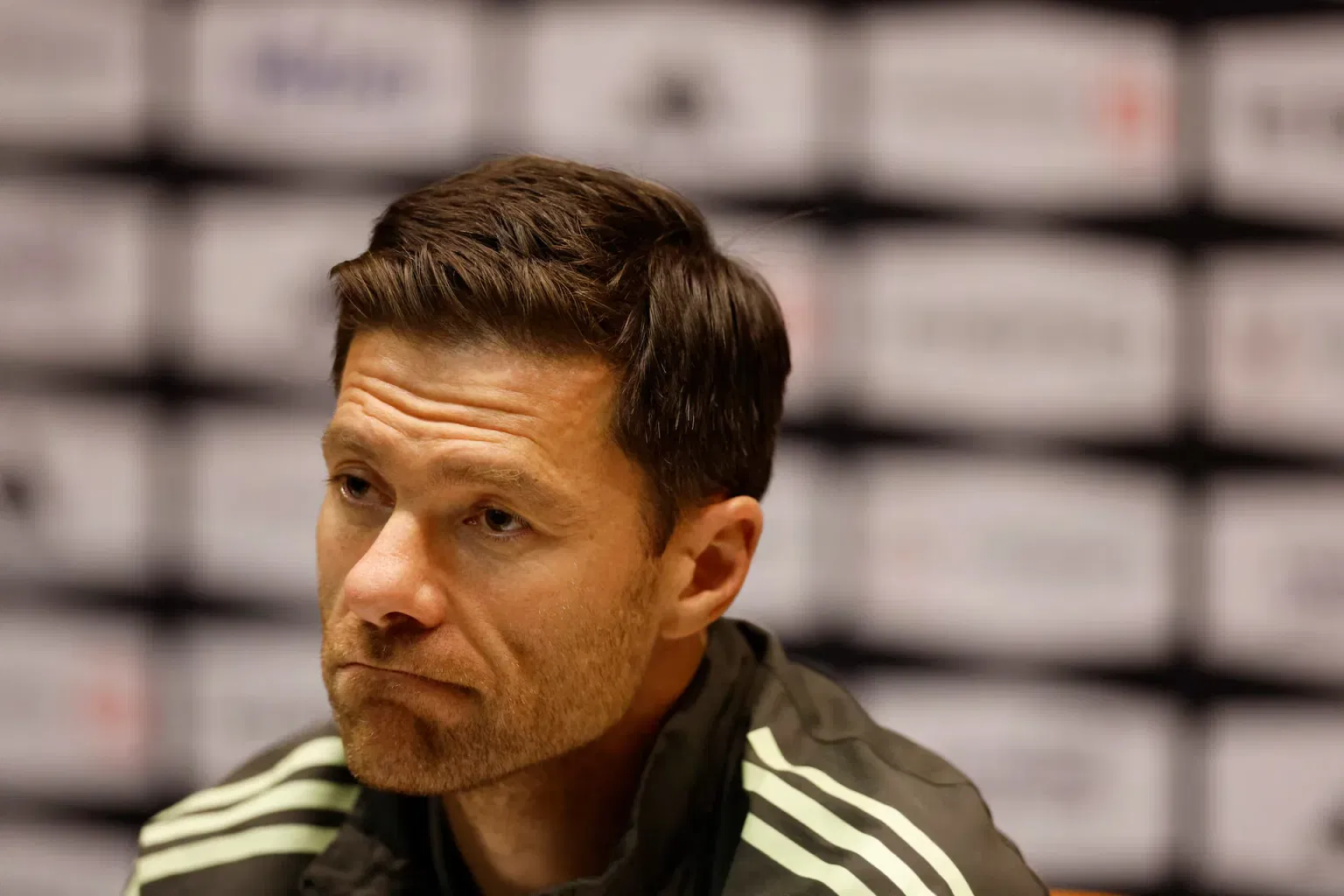
Xabi Alonso's tenure as Real Madrid head coach has ended after just seven months, with the club announcing his departure by mutual agreement on Monday, January 12, 2026. The decision comes just 24 hours after Real Madrid's 3-2 defeat to bitter rivals Barcelona in the Spanish Super Cup final, marking a swift and dramatic conclusion to what was supposed to be a long-term project at the Bernabéu.
In a stunningly rapid transition, Real Madrid immediately appointed former defender Álvaro Arbeloa as Alonso's replacement. Arbeloa, who had been coaching Real Madrid Castilla (the club's B team) since June 2025, now faces the daunting task of stabilizing one of world football's most demanding clubs during a period of crisis.
The Breaking Point: Super Cup Defeat Seals Alonso's Fate
The Spanish Super Cup final in Jeddah proved to be the final straw for Florentino Pérez and the Real Madrid hierarchy. Despite taking an early lead through Federico Valverde, Madrid conceded three goals in 25 minutes to Barcelona before a late Rodrygo strike proved insufficient. The defeat exposed familiar defensive frailties and tactical shortcomings that had plagued Alonso's team throughout his brief tenure.
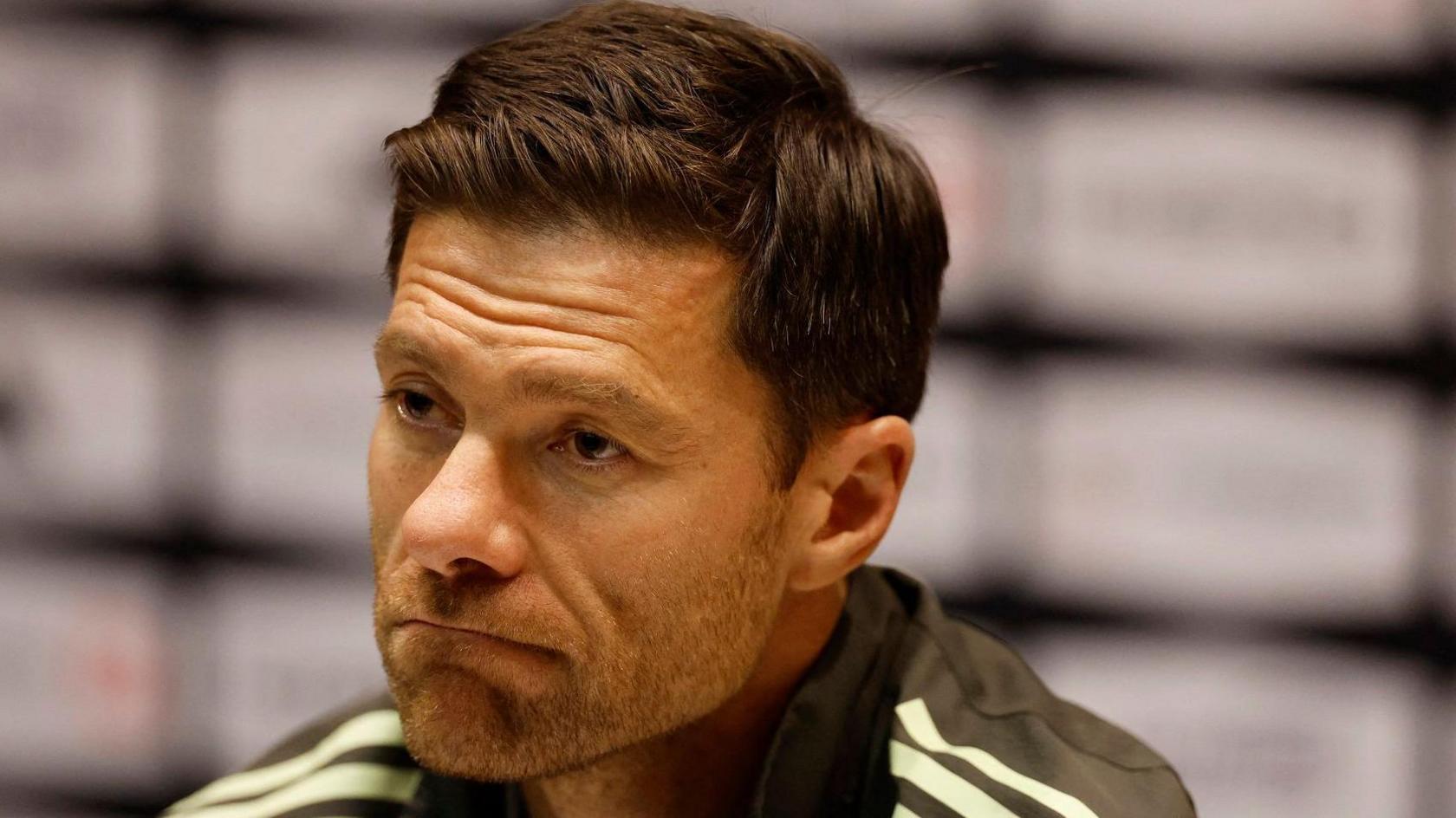
"Real Madrid C.F. announces that, by mutual agreement between the club and Xabi Alonso, it has been decided to end his tenure as first-team coach," read the club's official statement. "Xabi Alonso will always have the affection and admiration of all Madrid fans because he is a Real Madrid legend and has always embodied the values of our club. Real Madrid will always be his home."
The mutual consent language belied what sources described as an inevitable dismissal following growing tensions between Alonso and key figures within the club. BBC Sport reported that Alonso had argued with star striker Kylian Mbappé about tactics before Sunday's final and had a disagreement with president Florentino Pérez on Monday before the decision to part ways was finalized.
From Promise to Collapse: The Seven-Month Timeline
Alonso's appointment in May 2025 was celebrated as a homecoming for a club legend. After guiding Bayer Leverkusen to a historic Bundesliga title in 2024, the former midfield maestro signed a three-year contract to replace Carlo Ancelotti. The early signs were promising—Madrid won 13 of their first 14 games across all competitions and built a five-point lead over Barcelona in La Liga.
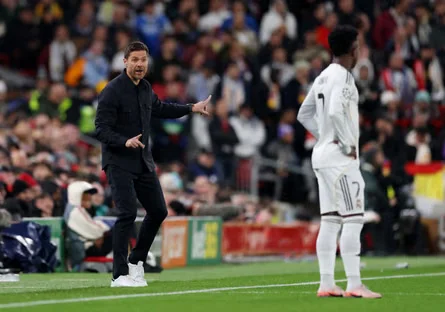
The turning point came in November with a 1-0 Champions League defeat at Liverpool, beginning a run of just two victories in eight games. A humiliating 5-2 loss to Atlético Madrid in September had already raised alarm bells, but the subsequent collapse saw Madrid's league lead evaporate. By December, they trailed Barcelona by four points and faced elimination from the Champions League after a 2-1 defeat to Manchester City.
Alonso's final stretch included five largely unimpressive wins against modest opposition, but the underlying problems remained. The 2-0 victory over Sevilla in December prompted Alonso to tell journalists "tranquilos" (keep calm) before the Christmas break, but the calm never materialized.
Why It Failed: Clashes, Criticism and Crumbling Authority
Multiple sources point to deteriorating relationships within the squad as a critical factor in Alonso's downfall. His meticulous, system-based approach clashed with the instincts of key players, most notably Vinícius Júnior. The Brazilian's angry reaction to being substituted during October's Clásico victory—storming straight down the tunnel—became emblematic of the growing rift between coach and players.
"There was a clash between a coach with a clear methodology and players who want to rely on instinct," explained Spanish football expert Guillem Balague in analysis for BBC Sport. This philosophical divide extended to tactical disagreements with Mbappé and reported tensions with Federico Valverde, undermining Alonso's authority in a dressing room accustomed to more flexible management styles.
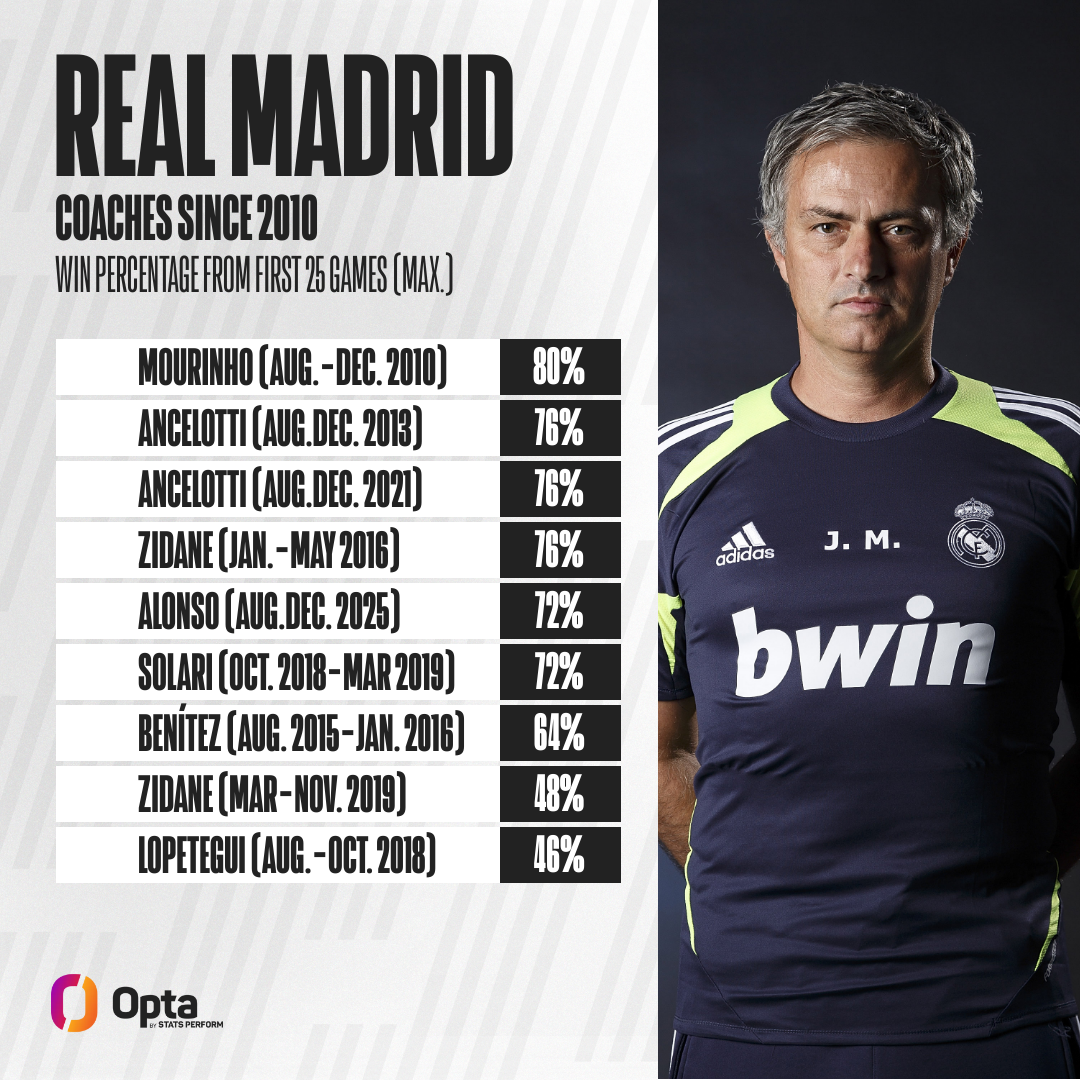
Statistically, Alonso's tenure compares unfavorably with his predecessors. His 72% win percentage in his first 25 games places him behind José Mourinho (80%), Carlo Ancelotti (76%), and Zinedine Zidane (76%), and level with the largely forgotten Santiago Solari. More tellingly, his team averaged just 2.08 goals per game while conceding exactly one—defensive numbers that failed to meet the standards of a club with Champions League aspirations.
Where Things Stand: Arbeloa Takes the Helm
Álvaro Arbeloa's appointment represents a dramatic shift in direction. The 42-year-old former defender, who played 238 games for Madrid between 2009 and 2016, has no senior management experience but brings deep club connections. Having worked exclusively within Madrid's youth system since 2020, his promotion follows the pattern of internal appointments like Zidane and Solari.
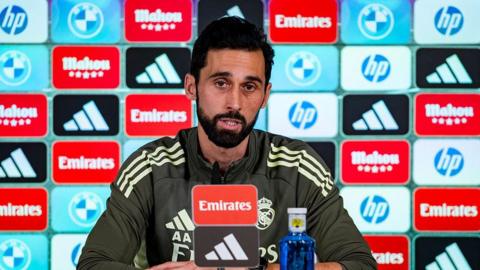
Arbeloa takes charge immediately, with his first test coming on Wednesday against second-division side Albacete in the Copa del Rey round of 16. He inherits a squad that, despite its recent struggles, remains packed with world-class talent including Mbappé, Jude Bellingham, and Vinícius Júnior. The immediate priority will be to mend fractured relationships and restore confidence ahead of crucial Champions League fixtures.
Real Madrid currently sit second in La Liga, four points behind Barcelona with a game in hand. They remain alive in the Champions League but face an uphill battle after their first-leg defeat to Manchester City. The Copa del Rey represents their most immediate chance for silverware this season.
What Happens Next: The Road Ahead for Madrid and Alonso
For Álvaro Arbeloa, the challenge is immense. With no transfer window to reshape the squad, he must extract immediate improvement from existing personnel. His deep understanding of the club's culture and values may help stabilize the dressing room, but his tactical acumen at the highest level remains untested.
For Xabi Alonso, the future remains bright despite this setback. At 44, he remains one of Europe's most highly regarded young managers, with his transformative work at Bayer Leverkusen still fresh in memory. He leaves with a respectable record of 24 wins from 34 games (70.6% win percentage), though the circumstances of his departure will inevitably color perceptions.
As for Real Madrid, the swiftness of this transition underscores the club's famous impatience. In the space of 24 hours, they have moved from a coach representing modern tactical sophistication to one embodying traditional club values. Whether this represents a pragmatic reset or a panicked regression will become clear in the coming weeks, as Arbeloa navigates the most pressurized job in world football.
The Bottom Line: Key Points to Remember
- Xabi Alonso's Real Madrid tenure lasted just seven months (233 days), ending after a 3-2 Super Cup defeat to Barcelona.
- Álvaro Arbeloa, former Madrid defender and B team coach, replaces him immediately despite having no senior management experience.
- Internal discord with key players, including Vinícius Júnior and Kylian Mbappé, contributed significantly to Alonso's downfall.
- Real Madrid now trail Barcelona by four points in La Liga after leading the table earlier in the season.
- Arbeloa's first game is against Albacete in the Copa del Rey on Wednesday, with Champions League progression still theoretically possible.
The Bernabéu has witnessed another dramatic chapter in its storied history, reminding the football world that at Real Madrid, legends can be made and broken with breathtaking speed.