

The 2026 Masters Tournament witnessed one of the most dramatic cut line scenarios in recent memory as the weekend field was determined at 4-over 148, marking the highest cut on the PGA TOUR this season. In a stunning turn of events, Bryson DeChambeau's championship hopes evaporated with a catastrophic triple bogey on the 18th hole, joining 2025 U.S. Open champion J.J. Spaun and several other notable players who will watch the weekend action from home. The cut line drama at Augusta National highlighted both the tournament's evolving qualification rules and the razor-thin margins that separate contenders from spectators at golf's most prestigious event.
How the 2026 Cut Line Claimed Major Champions and Rising Stars
After two firm and fast days at Augusta National, the cutline fell at 4-over 148, creating heartbreak for several prominent players who found themselves on the wrong side of the number. The most shocking exit belonged to Bryson DeChambeau, who stood at 3-over playing the 18th hole on Friday afternoon needing only a bogey-5 to secure his weekend tee times. What followed was a collapse of epic proportions: DeChambeau found a greenside bunker, took three shots to escape, and carded a triple-bogey 7 that dropped him to 6-over and two shots outside the cut line.
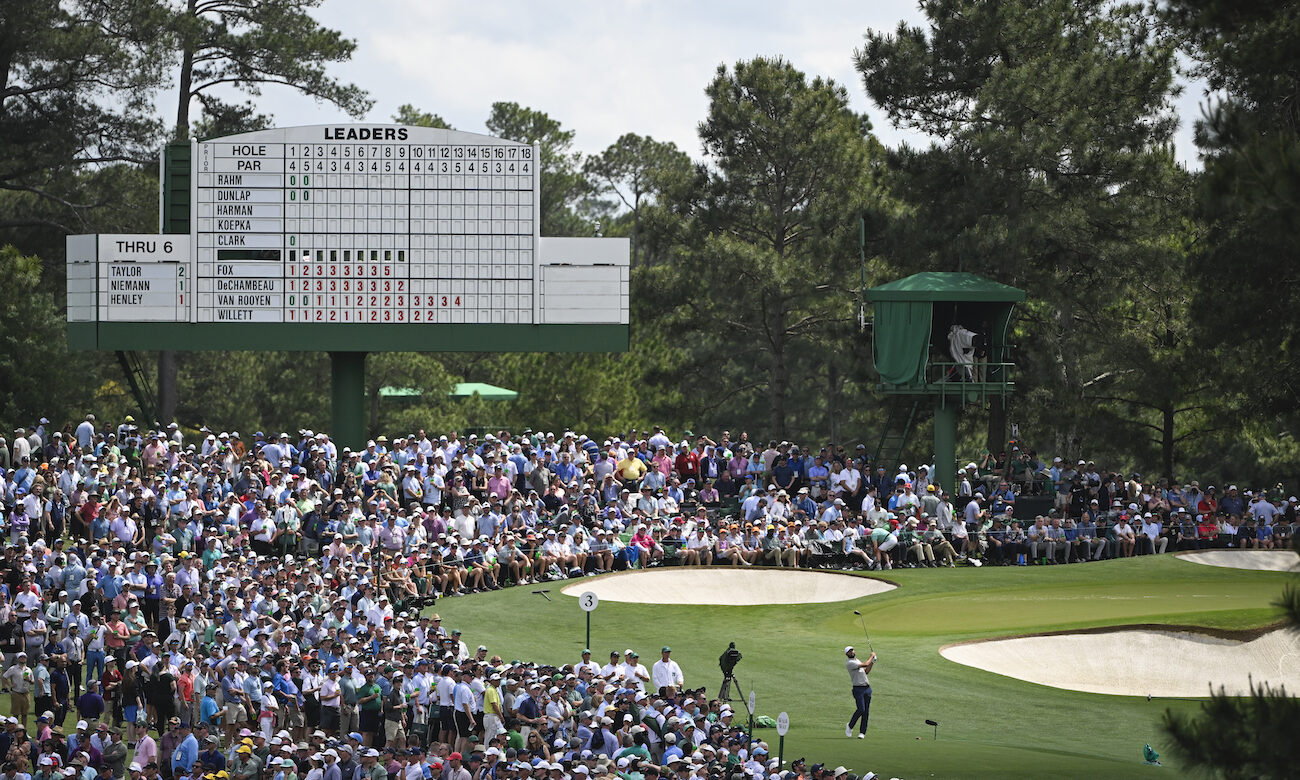
"When Bryson DeChambeau walked to the 18th tee Friday, he needed only a bogey to make the cut at the Masters. He walked off 18 with a triple-bogey 7," reported Yahoo Sports, capturing the dramatic turn of events. Joining DeChambeau on the wrong side of the cut line were 2025 U.S. Open champion J.J. Spaun (+5), rising star Akshay Bhatia (+5), Harry Hall (+5), and two-time Masters champion Bubba Watson (+6). Former champion Cameron Smith also missed at 6-over, while Jon Rahm barely survived, making the cut right on the number at 4-over.
From 10-Shot Rule to Top 50: The Evolution of Masters Cut Criteria
The current Masters cut rule represents a significant departure from historical precedent. Prior to 2020, Augusta National employed what was known as the "10-shot rule," which allowed any player within 10 strokes of the 36-hole leader to advance to the weekend, regardless of their position in the field. This provision was eliminated ahead of the 2020 tournament, leaving only the top 50 players and ties to continue play.
"Starting in 2020, the tournament ended its 10-shot rule, in which players within 10 strokes of the 36-hole lead made the cut, regardless of their position," explained Golf Channel. This change created a more elite weekend field and eliminated scenarios where players well outside the top 50 could advance based solely on a leader running away from the field. The current system aligns more closely with standard PGA TOUR events while maintaining the Masters' unique character through its smaller, invitation-only field.
Historical Context: How This Year's Cut Line Compares
The 4-over 148 cut line represents a significant increase from 2025's 2-over threshold and continues a trend of variable scoring conditions at Augusta National. Historical data reveals that the average Masters cut sits at 148.41, with extreme outliers at both ends of the spectrum. The highest cut in tournament history occurred in 1982 at 154 (+10), while the lowest came in 2020 at 144 (even par) when the tournament was played in November due to pandemic scheduling.
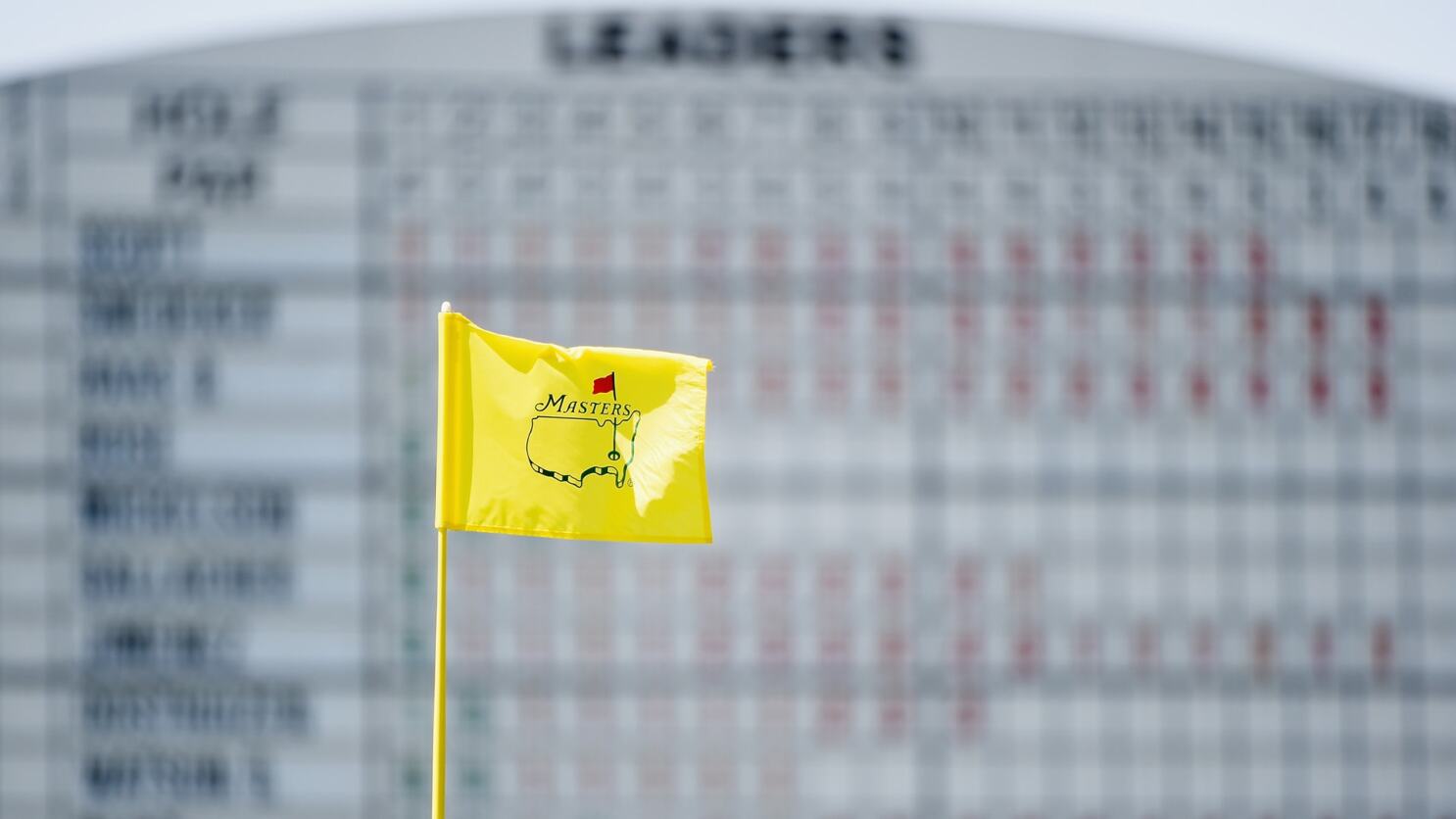
Recent Masters cut lines demonstrate Augusta's changing character: 2024 saw a demanding 6-over cut, 2023 was 3-over, 2022 was 4-over, and 2021 was 3-over. The 2026 edition's 4-over mark reflects the firm, fast conditions that have characterized the early rounds, with swirling winds and challenging pin positions testing the world's best players. "The average cut at the Masters is 148.41. The highest cut was 154 (+10) in 1982," noted Golf Digest, providing statistical context for this year's demanding number.
What the Cut Line Reveals About Augusta's Current Challenge
Golf analysts point to several factors contributing to this year's elevated cut line. Firm greens, strategic pin placements, and variable wind conditions have made scoring difficult, particularly on Augusta's treacherous back nine. The 18th hole, which claimed DeChambeau's tournament, played as one of the most difficult holes during Friday's second round, with its elevated green and punishing bunkers exacting a toll on players fighting to make the cut.
"After two firm and fast days at Augusta National, the cutline fell at a 4-over 148, marking the highest cut on TOUR this season to date," reported PGATour.com. This challenging setup has created a weekend field that favors precision over power, with players who demonstrated exceptional course management and short-game skills surviving to compete for the green jacket. The cut line serves as a barometer of course difficulty, and this year's number suggests Augusta National is presenting its traditional stern test.
The Weekend Field: Who Survived and What to Watch
With the cut determined at 4-over 148, exactly 54 players will return for weekend play, including defending champion Scottie Scheffler, who comfortably made the cut at 1-under. Rory McIlroy, seeking his first Masters title to complete the career Grand Slam, also advanced despite a challenging second round. Jon Rahm's narrow survival at the cut line keeps the 2023 champion in contention, though he'll need a weekend charge to challenge for his second green jacket.
The trimmed field creates several intriguing storylines for the weekend. With several big names eliminated, opportunities open for contenders further down the leaderboard. The absence of DeChambeau removes one of the tournament's biggest drawcards and most aggressive players, potentially altering the dynamic of the final two rounds. Meanwhile, players like J.J. Spaun and Akshay Bhatia will have to wait another year for their Masters weekend debut, their early exits serving as painful reminders of Augusta's unforgiving nature.
Looking Ahead: Implications for Future Masters and Player Careers
For players who missed the cut, the early exit carries both immediate and long-term consequences. Beyond the disappointment of missing the weekend at golf's most prestigious event, early exits can affect world ranking points, FedEx Cup standings, and future Masters invitations. Bryson DeChambeau's dramatic collapse will undoubtedly become part of Masters lore, joining other infamous cut-line moments in tournament history.
The 2026 cut line also provides data points for analysts and players preparing for future Masters. The elimination of the 10-shot rule continues to prove its impact, creating more pressure on players to finish inside the top 50 regardless of the leader's score. As conditions continue to evolve at Augusta National—with potential course modifications and changing weather patterns—the cut line will remain one of the tournament's most compelling subplots, separating contenders from pretenders in the most dramatic fashion imaginable.
The Bottom Line: Key Takeaways from the 2026 Masters Cut
The 2026 Masters cut line at 4-over 148 underscores several important themes: Augusta National's enduring challenge, the razor-thin margins separating success from failure at the highest level, and the dramatic consequences of the tournament's revised cut criteria. Bryson DeChambeau's 18th-hole collapse provides a stark reminder that no lead—or cut line position—is safe until the final putt drops at Augusta. As the weekend field prepares for Saturday's moving day, they do so knowing they've survived one of the season's toughest tests, while those on the wrong side of the number face a long wait until next year's invitation arrives.