
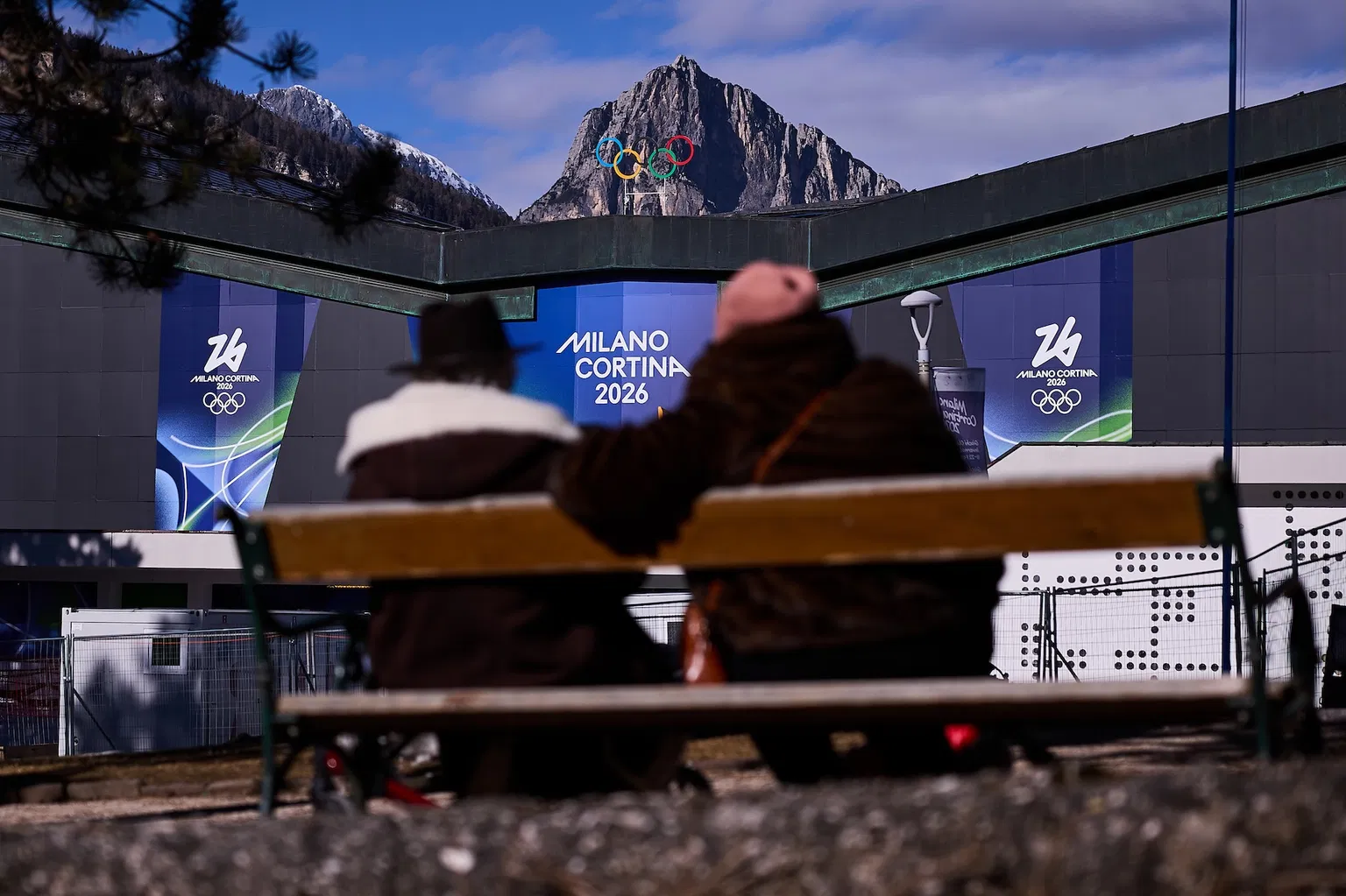
The 2026 Winter Olympics are set to make history as the first Games officially co-hosted by two cities, with Milan and Cortina d'Ampezzo preparing to welcome the world to Italy's Alpine region. As February 2026 approaches, preparations are accelerating amid both excitement and challenges, from venue construction to climate adaptation strategies that will define this unique Olympic experience.
How the Two-City Olympics Came to Be
When the International Olympic Committee awarded the 2026 Winter Games to Italy, they made history by selecting not one but two host cities for the first time. Milan, Italy's fashion and financial capital, will primarily host ice events, while Cortina d'Ampezzo, the legendary Dolomite resort town, will welcome Alpine and sliding sports. "To organize an event that is as complex as the Olympic Games you have to work with the land," explained Christophe Dubi, the Olympic Games Executive Director for the IOC. "This is unlike Beijing 2022 or PyeongChang 2018. We have to adapt to the territory."
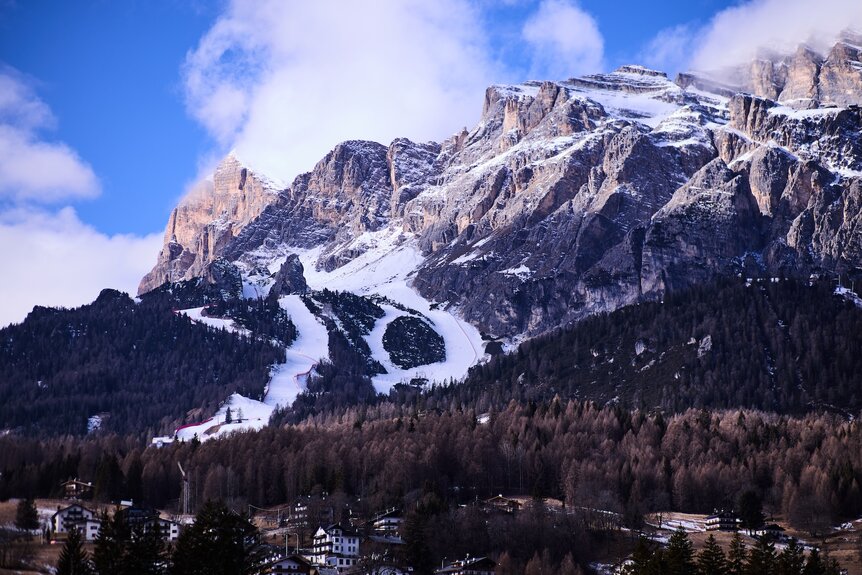
Timeline: From Award to Opening Ceremony
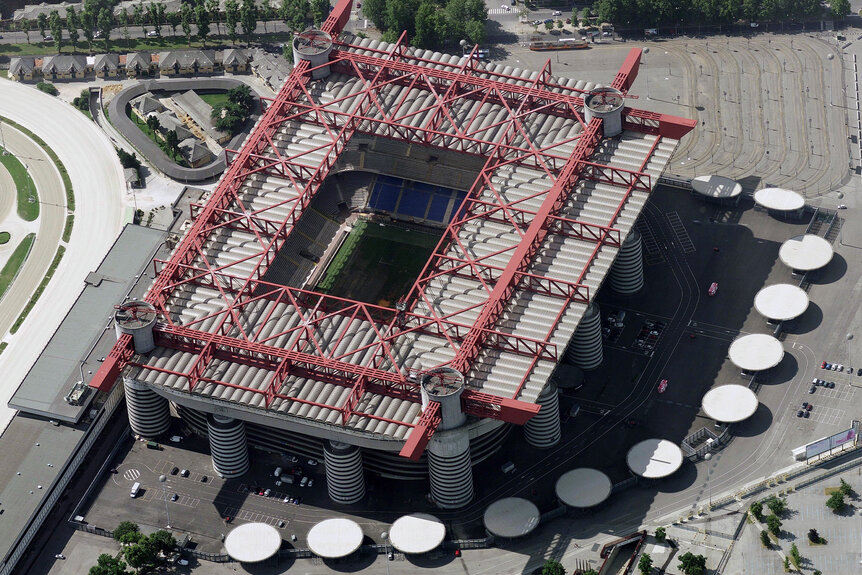
The journey to the 2026 Games began on June 24, 2019, when the IOC selected Italy over Sweden. Since then, organizers have navigated a global pandemic, economic challenges, and the complexities of coordinating between multiple locations. Key milestones include the unveiling of the official mascots—Tina for Cortina and Milo for Milano—in 2024, the start of venue construction throughout 2025, and the ongoing torch relay that will culminate in the February 6, 2026 opening ceremony at Milan's iconic San Siro Stadium.
Why This Olympic Model Changes Everything
The Milano Cortina 2026 Games represent a significant shift in Olympic hosting strategy. With 116 events across 16 winter sports spread across multiple locations in northern Italy, the multi-hub model aims to utilize existing infrastructure while minimizing environmental impact. Andrea Varnier, CEO of the Milan Cortina organizing committee, noted, "We believe the Alps are an extraordinary backdrop, which we will need to use in the best possible way. As for the city, we would like to ensure that the center of Milan is active and experienced by its residents." This distributed approach also spreads economic benefits across the region while presenting unique logistical challenges, with travel distances between Milan and Cortina venues ranging from 145 to 230 miles.
Latest: Where Preparations Stand Today
Recent reports indicate that while many venues are on track, some construction projects are facing delays. The 11,800-capacity Milano Santagiulia Ice Hockey Arena, one of two new venues being built in Milan, has drawn particular attention for its tight timeline. Meanwhile, climate change considerations have led to upgraded artificial snowmaking infrastructure at Alpine venues, with the Milano Cortina Foundation investing in sustainable snow management systems. "The mountains are at their best, and the city as well," Varnier recently stated, expressing confidence that all venues will be ready for athletes.
What Happens Next: The Road to February 2026
As the countdown continues, several key developments will shape the final year of preparations. Test events across various sports are scheduled throughout 2025, while transportation infrastructure improvements—including enhanced rail connections between venues—are underway. Security planning, volunteer recruitment, and ticket sales will ramp up in the coming months. The Olympic community is watching closely as Italy prepares to deliver a Games that could redefine how future Winter Olympics are hosted, balancing tradition with innovation in an era of climate awareness and economic scrutiny.
The Bottom Line: Key Points to Remember
The 2026 Winter Olympics represent a historic first with their two-city hosting model, spread across Milan and Cortina d'Ampezzo from February 6-22, 2026. With 116 events across 16 sports, the Games will test a distributed venue approach that may influence future Olympic planning. While construction and climate challenges remain, organizers are confident in delivering an authentic Italian Winter Games experience that celebrates both Alpine tradition and urban vitality.