
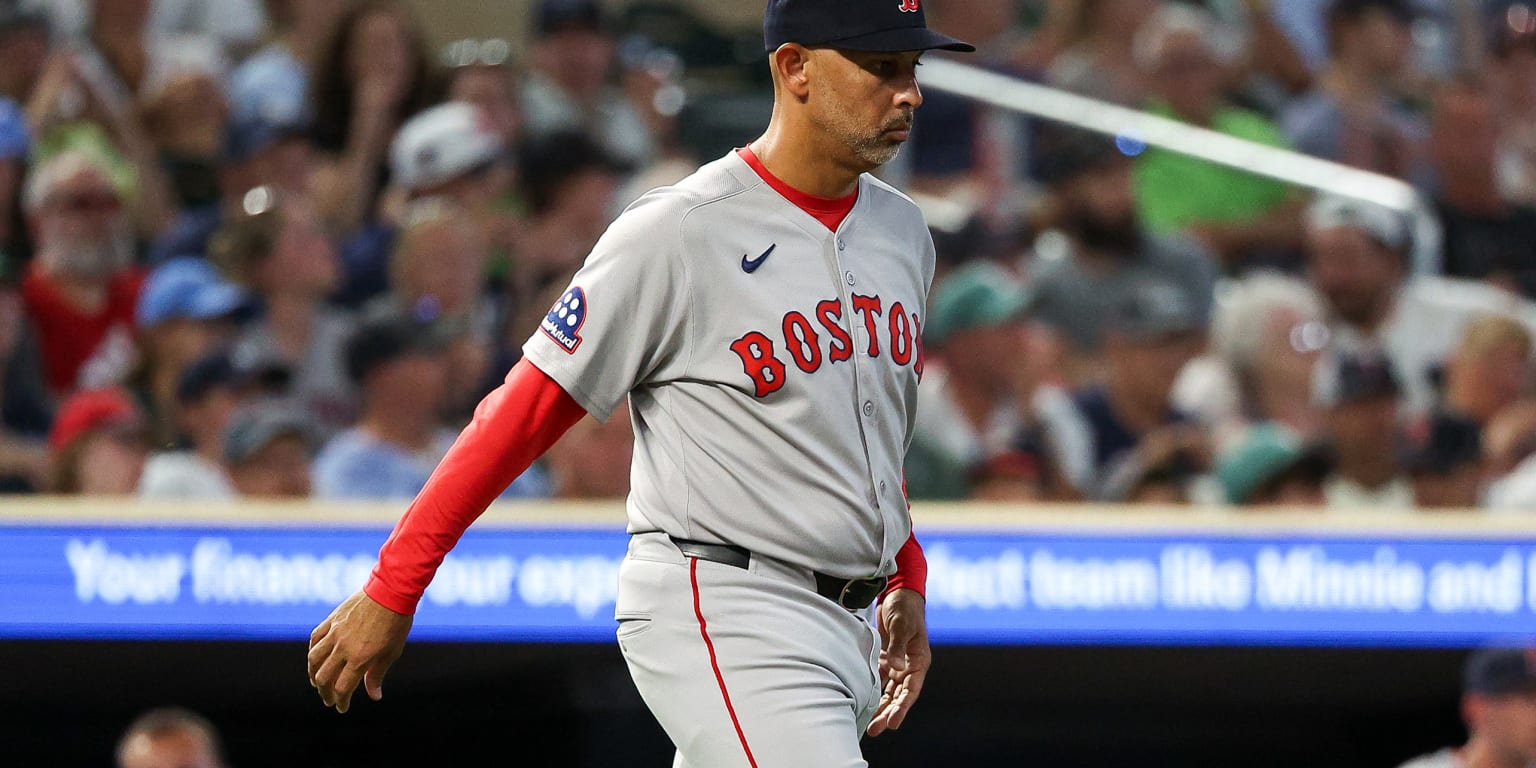
The Boston Red Sox made a stunning organizational move on Saturday, April 25, 2026, firing manager Alex Cora and five members of his coaching staff just 27 games into the season. The decision came hours after Boston's most convincing win of the young campaign — a blowout victory in Baltimore — and sent shockwaves through Major League Baseball.
The Red Sox, sitting at 10-17 and dead last in the AL East, parted ways with Cora, hitting coach Peter Fatse, third base coach Kyle Hudson, bench coach Ramón Vázquez, assistant hitting coach Dillon Lawson, and Major League hitting strategy coach Joe Cronin. In a separate but notable move, game planning and run prevention coach Jason Varitek was reassigned to a new role within the organization rather than dismissed outright.
Triple-A Worcester manager Chad Tracy, 40, was named interim manager effective immediately. Chad Epperson will serve as interim third base coach, while Collin Hetzler will join the major league staff in a yet-to-be-determined capacity.
The Decision That Shook Fenway: Inside the Sudden Housecleaning
The timing of the firings raised eyebrows across the baseball world. The Red Sox had just demolished the Baltimore Orioles 16-0 earlier on Saturday, making Cora the first manager since 1900 to be fired after his team won a game by 16 or more runs, according to Sportradar. But club leadership saw past the single victory, pointing to systemic failures across nearly every facet of the organization.
Principal owner John Henry released a statement thanking Cora for his contributions. "Alex Cora led this organization to one of the greatest seasons in Red Sox history in 2018, and for that, and the many years that followed, he will always have our deepest gratitude," Henry said. "He has had a lasting impact on this team and on this city. He has led on and off the field in so many important ways. These decisions are never easy, but this one is especially difficult given what Alex has meant to the Red Sox since the day he arrived."
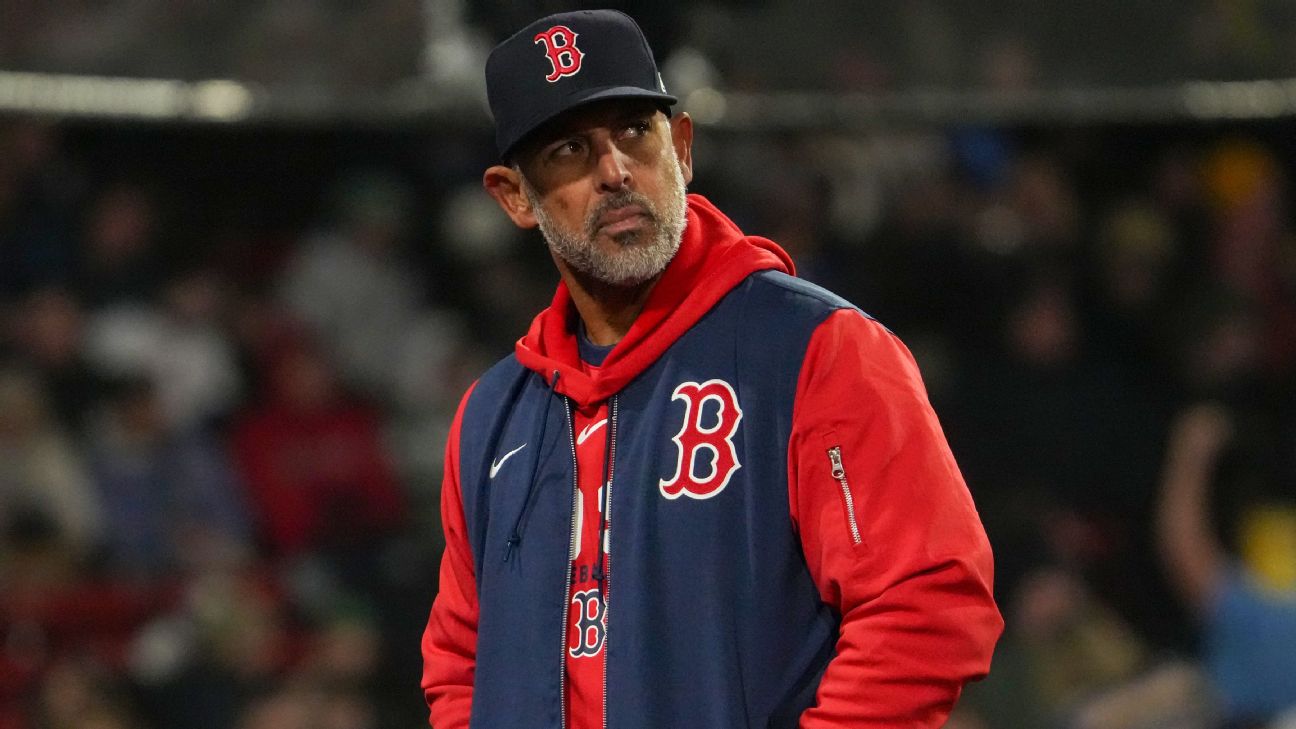
Cora, who signed a contract extension with the team in 2024, appeared to take the news in stride. Hours after the announcement, he posted "Happy!" on social media, with sources close to the former manager indicating he was relieved the uncertainty had been resolved.
Timeline: How the Red Sox Season Unraveled
The 2026 season began with cautious optimism in Boston. After an active offseason that saw roster changes aimed at shoring up pitching and adding offensive depth, expectations were moderate but not pessimistic. However, the wheels came off almost immediately.
Opening Week (Late March): The Red Sox stumbled out of the gate, dropping series to divisional rivals and struggling to generate consistent offense. Cora tinkered with the lineup daily but found few answers.
Early April: Losses mounted as the pitching staff posted an ERA among the worst in the American League. The bullpen, in particular, became a recurring problem, blowing multiple late-inning leads.
Mid-April: Frustration boiled over as Boston fell to 8-15. Reports surfaced of tension between Cora and members of the front office, as well as philosophical differences with Varitek over the team's strategic direction.
Week of April 19-25: The Red Sox lost seven of eight games, dropping to 9-17 before Saturday's cathartic but ultimately meaningless win over Baltimore. Owner John Henry and chief baseball officer Craig Breslow met after the game and made the decision to clean house.
April 25 (Saturday Night): The organization announced the sweeping changes, promoting Tracy from Worcester and reassigning Varitek. Players were informed during a team meeting before the public announcement.
The Bigger Picture: Why Firing Cora Changes Everything for Boston
This wasn't just about a slow start. The scope of the dismissals — five coaches gone in addition to the manager — signals a fundamental reckoning within the Red Sox organization. By clearing out both the hitting infrastructure (Fatse, Lawson, Cronin) and the defensive coaching staff (Hudson, Vázquez), the front office under Breslow is taking full control of the club's direction.
Varitek's reassignment adds another layer of intrigue. The former Red Sox captain and two-time World Series champion had reportedly disagreed with Cora on the team's 2026 vision, with some sources suggesting their relationship had frayed significantly. Keeping Varitek in the organization while dismissing Cora suggests the front office sided with the longtime catcher's approach.
Cora, 50, leaves with a 475-389 regular-season record over seven seasons at the helm, plus a 2018 World Series championship and a 22-16 postseason record. His tenure was also marked by controversy — he served a season-long suspension in 2020 for his role in the Houston Astros' sign-stealing scandal, though he returned to manage Boston in 2021.
The Red Sox are the first MLB team to make a managerial change this season, but the industry expectation is that Cora will not be out of work long. Bob Nightengale of USA Today reported that multiple teams are already monitoring his availability, noting that Cora could be managing elsewhere as soon as next season.
Where Things Stand Now: The Chad Tracy Era Begins
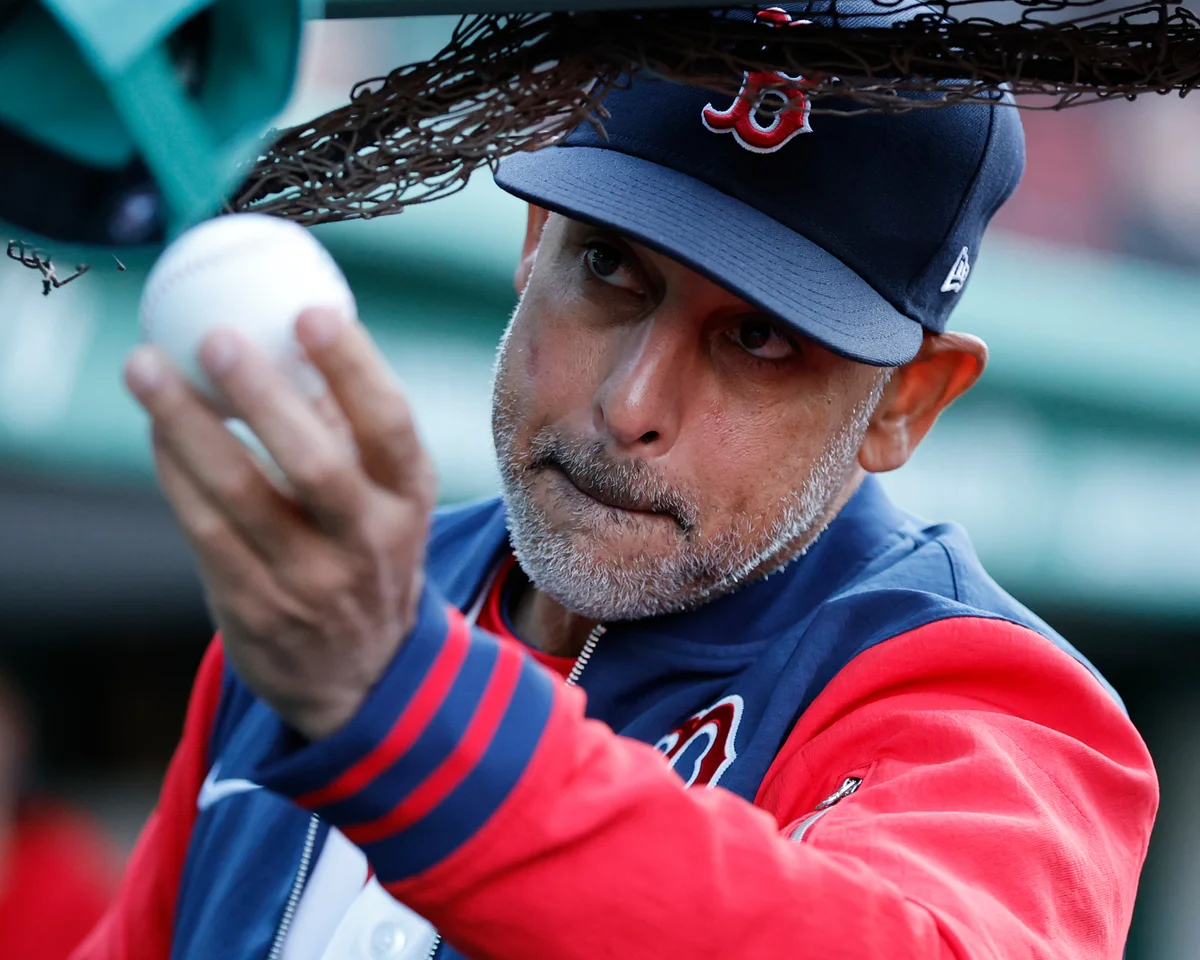
Chad Tracy steps into an unenviable position. The 40-year-old had spent the last four seasons managing Triple-A Worcester, where he developed a reputation for player development and steady leadership. Prior to joining the Red Sox organization, Tracy spent seven seasons in the Los Angeles Angels system, including three seasons as a minor league manager and four as the Angels' minor league field coordinator.
Tracy inherits a team that — despite its record — is not without talent. The Red Sox have promising young position players, and the core of the roster remains intact. His first task will be stabilizing a clubhouse that just watched its manager and five colleagues lose their jobs.
The Red Sox do not play Sunday, giving the organization a day to regroup and Tracy time to assemble his interim coaching staff. Boston resumes play Monday against the Orioles in Baltimore, and all eyes will be on how the team responds.
What Happens Next: The Road Ahead for Cora and the Red Sox
For Cora, the immediate future likely involves time away from the game before exploring his next opportunity. Multiple reports suggest he could be a candidate for managerial openings as early as this offseason, with his 2018 title and strong regular-season record serving as compelling credentials.
For the Red Sox, the road is more complicated. Tracy is viewed internally as a potential long-term solution, but the interim tag suggests the front office will conduct a thorough search at season's end. Candidates such as Rocco Baldelli, Ryan Flaherty, and Brandon Hyde have been mentioned as potential targets if Boston looks outside the organization.
The coming weeks will reveal whether the housecleaning was a necessary reset or merely the first step in a longer rebuild. One thing is certain: the Red Sox organization has made clear that the status quo was no longer acceptable.
The Bottom Line: Key Points to Remember
- The Boston Red Sox fired manager Alex Cora and five coaches on April 25 after a 10-17 start to the 2026 season
- Chad Tracy, formerly manager of Triple-A Worcester, was named interim manager
- Jason Varitek was reassigned to a new organizational role amid reported philosophical disagreements with Cora
- The timing was historic — Cora was fired hours after a 16-0 win, making him the first manager since 1900 dismissed after such a lopsided victory
- Owner John Henry thanked Cora for his contributions, including the 2018 World Series championship, in an official statement