
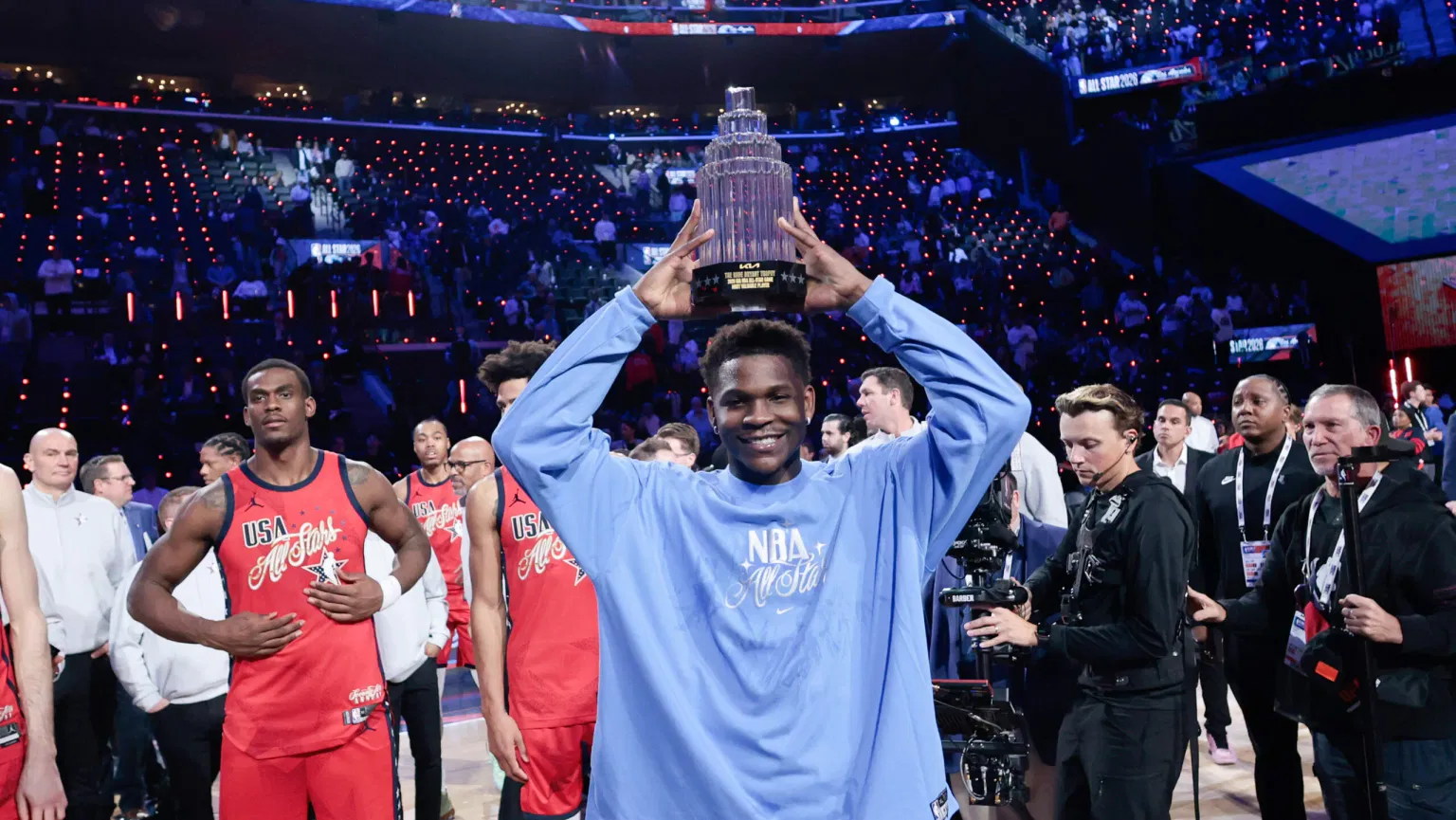
Anthony Edwards cemented his status as one of the NBA’s brightest young stars by capturing the Kobe Bryant MVP Trophy at the 2026 All‑Star Game on Sunday night. The Minnesota Timberwolves guard led Team Stars to a dominant 47‑21 victory over Team Stripes in the final of the league’s revamped tournament format, delivering a performance that showcased his scoring prowess and competitive fire. Edwards’ 32‑point, 9‑rebound, 3‑assist effort across three games not only earned him the coveted award but also highlighted his emergence as a centerpiece of the NBA’s next generation.
Edwards Delivers MVP Performance in New All‑Star Format
In a weekend designed to reinvigorate the All‑Star experience, Anthony Edwards provided the exclamation point. The 24‑year‑old shooting guard was the engine of Team Stars’ success throughout the new round‑robin tournament, which pitted two United States squads—Stars and Stripes—against a Team World lineup. Edwards’ most telling contribution came in the championship game, where he posted eight points, four rebounds and two assists in just eight minutes as Team Stars rolled to a 47‑21 blowout.
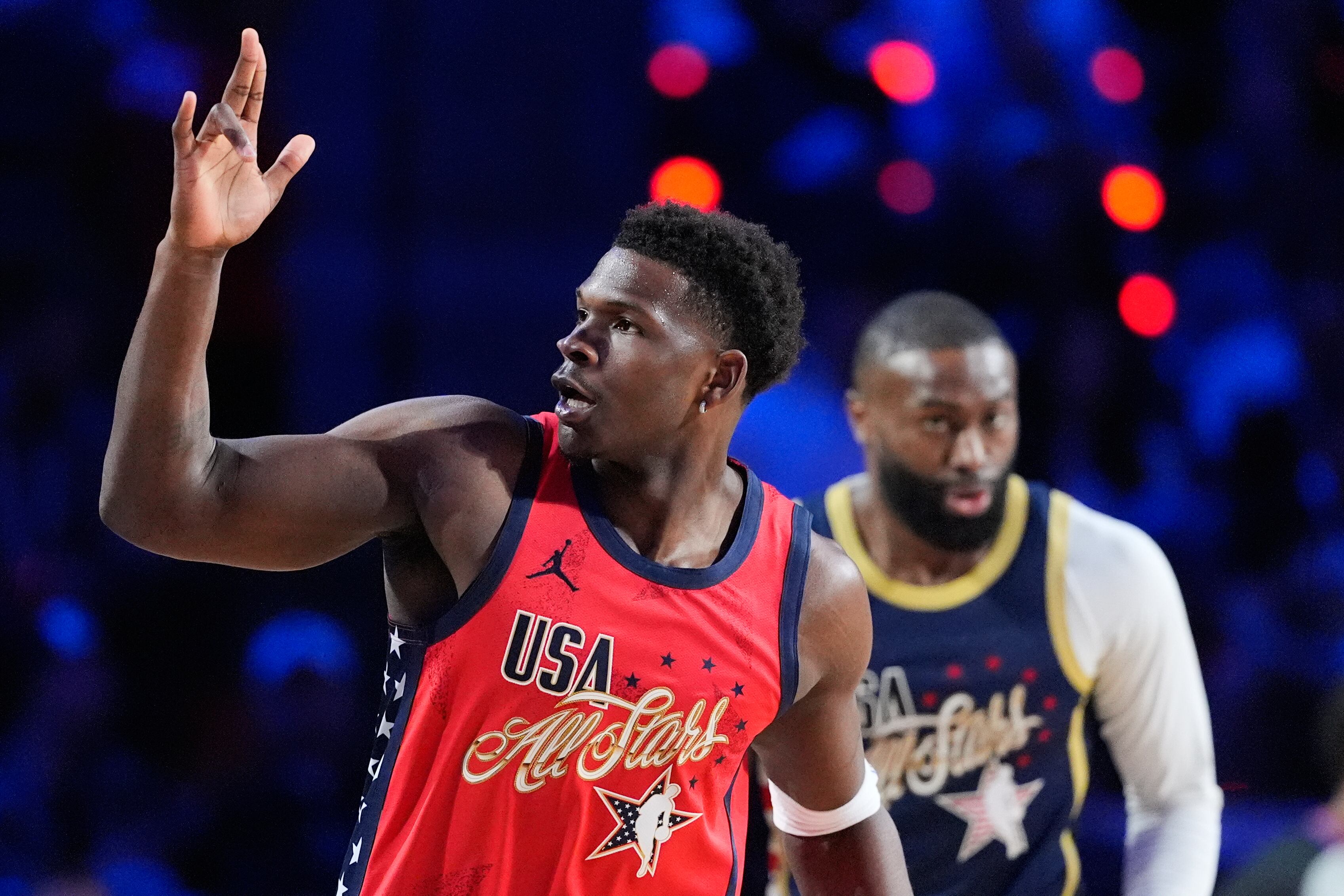
Over the three‑game tournament, Edwards compiled 32 points, nine rebounds and three assists while shooting an efficient 13‑of‑22 from the field. His consistency was crucial in a format that demanded short, high‑intensity bursts. “He was the guy who set the tone for us every time he stepped on the floor,” said Team Stars coach Steve Kerr. “When you need buckets and energy, Ant is the guy you want with the ball.”
How the Revamped All‑Star Weekend Unfolded
The NBA overhauled its All‑Star Game for the 2026 edition, replacing the traditional East‑West matchup with a compact, round‑robin tournament held at Los Angeles’ Intuit Dome. The new structure featured four 12‑minute games: each U.S. team played Team World once, followed by a second meeting between the two American squads, and finally a championship game between the top two records.
Team Stars and Team Stripes split their first two meetings, with De’Aaron Fox hitting a game‑winning three‑pointer to give the Stripes a 42‑40 win in the opener. Edwards responded with 11 points in that contest, then dropped 13 points in an overtime victory over Team World that saw Scottie Barnes nail a clutch three. That set up the Sunday‑night final, where Edwards and a supporting cast that included Devin Booker, Tyrese Maxey and Jalen Duren overwhelmed a Stripes roster boasting LeBron James, Kevin Durant and Kawhi Leonard.
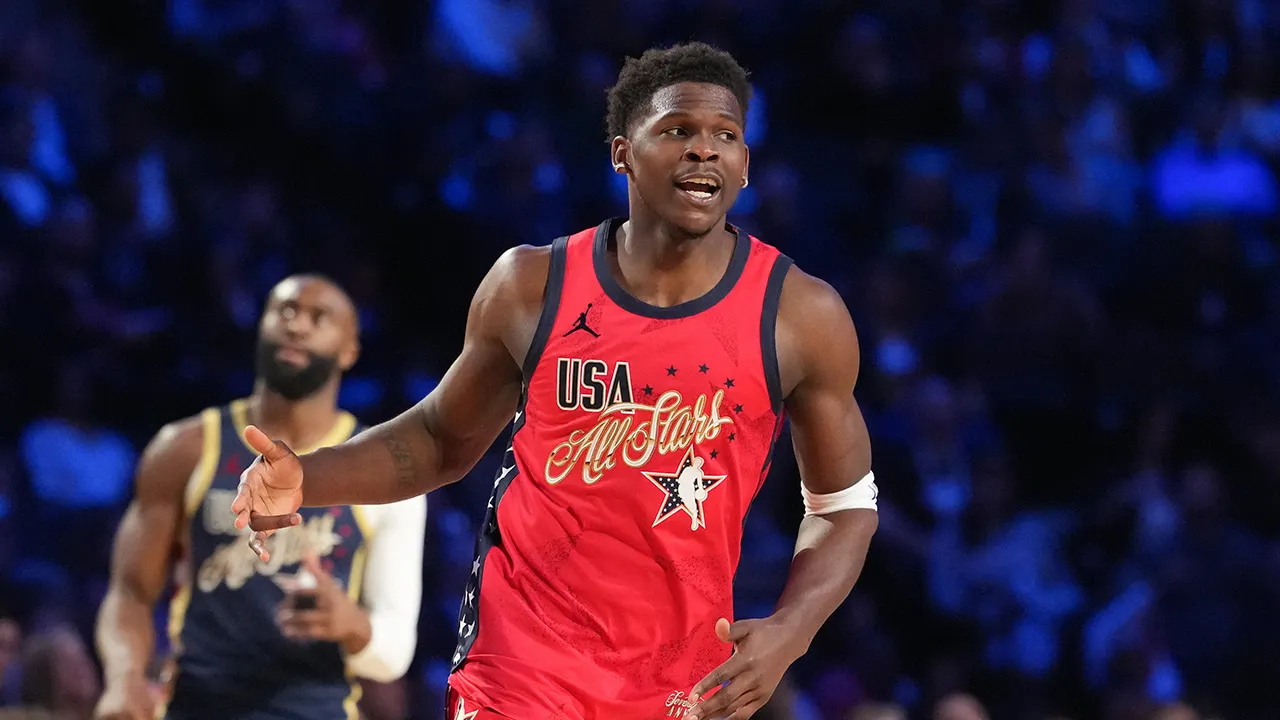
The fast‑paced, high‑stakes format was widely praised by players and fans alike for restoring a competitive edge to the mid‑season showcase. “You could feel the difference,” Edwards said after accepting the MVP trophy. “Guys were actually trying to win. That’s what makes it fun.”
Why This All‑Star Format Change Matters
For years, the NBA All‑Star Game had been criticized for its lack of defensive effort and predictable, high‑scoring affairs. The league’s decision to introduce a tournament-style format with shorter games and a round‑robin structure aimed to inject urgency and novelty back into the event. The early returns are overwhelmingly positive.
Television ratings for the 2026 All‑Star Weekend showed a notable uptick, and social‑media engagement spiked during the decisive final. More importantly, players approached the games with a palpable intensity. “It felt like real basketball,” said Team Stripes forward Kevin Durant. “You had to execute, you had to defend, and you had to close. That’s a credit to the format.”
Edwards’ MVP performance epitomized the kind of star turn the league hoped to highlight. His combination of athletic drives, pull‑up jumpers and relentless energy provided exactly the kind of highlight‑reel moments that resonate with casual and hardcore fans alike. In a league constantly searching for new narratives, the revamped All‑Star Game—and Edwards’ starring role—delivered a compelling blueprint for the future.
Edwards’ Breakout Season Continues
The All‑Star MVP award is the latest milestone in what has become a career‑year for Anthony Edwards. Through 46 games of the 2025‑26 regular season, Edwards is averaging 29.3 points (third in the NBA), 5.2 rebounds and 3.7 assists while shooting 49.3% from the field. He has carried the offensive load for a Minnesota Timberwolves team that entered the All‑Star break firmly in the Western Conference playoff picture.
Edwards’ ascent has been both statistical and stylistic. Once regarded primarily as a explosive athlete, he has refined his perimeter shooting, playmaking and defensive awareness to become a complete two‑way force. “He’s taken that next step,” Timberwolves coach Chris Finch said earlier this month. “He’s not just a scorer; he’s a guy who impacts winning in every phase.”
That evolution was on full display during All‑Star Weekend, where Edwards balanced individual scoring with timely passes and active defense. It’s the same formula that has made him the centerpiece of Minnesota’s rise—and a leading candidate for All‑NBA honors at season’s end.
What’s Next for Anthony Edwards and the NBA All‑Star Game?
With the All‑Star spotlight now behind him, Anthony Edwards will turn his attention to the Timberwolves’ playoff push. Minnesota sits in the top half of the Western Conference standings, and Edwards’ ability to maintain his MVP‑level production will be critical to any deep postseason run. The team’s front office has signaled confidence in his trajectory, making it clear that Edwards is the franchise cornerstone around which all future moves will be built.
As for the All‑Star Game, the league is expected to retain the tournament format for at least the next few seasons. The overwhelming player and fan feedback suggests the experiment was a success, and the NBA is already discussing minor tweaks—such as adjusting the roster‑selection process or incorporating a charitable component for each game won—to build on the momentum.
For Edwards, the MVP trophy is both a recognition of his current standing and a preview of what’s to come. “This is just the beginning,” he said during his post‑game press conference. “I want to be back here every year, and I want to be holding that trophy again.”
Key Takeaways from Anthony Edwards’ All‑Star MVP Night
- Historic Honor: Edwards is the first Timberwolves player since Kevin Garnett (2003) to win the All‑Star Game MVP award.
- Tournament‑Style Success: The new round‑robin format produced more competitive games and higher engagement, with Edwards as its standout performer.
- Season‑Long Dominance: Edwards’ All‑Star weekend mirrored his regular‑season excellence—he ranks among the NBA’s top scorers and is on pace for career highs across the board.
- League‑Wide Impact: The 2026 All‑Star Game may have found a sustainable model for future editions, thanks in large part to the thrilling show put on by Edwards and his peers.
Anthony Edwards’ All‑Star MVP performance was more than just a single‑night accolade. It was a statement that he belongs among the NBA’s elite, a showcase for a reinvented mid‑season event, and a promise of even greater achievements ahead. As the league moves forward, Edwards’ combination of skill, charisma and competitive drive will continue to shape the narrative of the sport.