
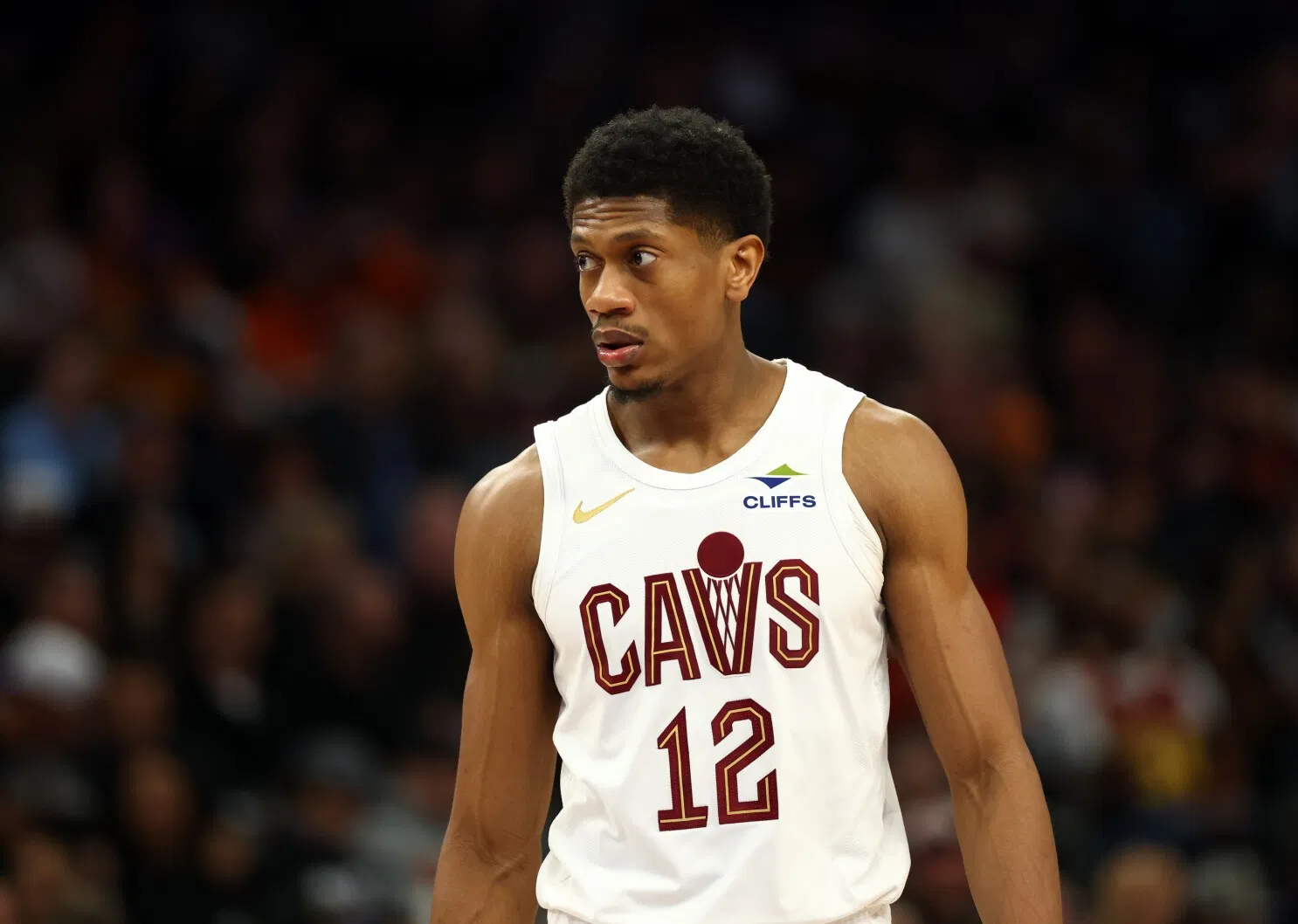
The Cleveland Cavaliers have executed a significant three-team trade that reshapes their backcourt and provides crucial financial relief, sending forward De'Andre Hunter to the Sacramento Kings in exchange for guards Dennis Schroder and Keon Ellis. The Chicago Bulls facilitated the deal, receiving veteran forward Dario Šarić and two second-round picks in return. Announced on Sunday, February 1, 2026, this move represents Cleveland's first major transaction ahead of the NBA trade deadline and addresses multiple roster needs while saving the franchise nearly $50 million in luxury tax payments.
Breaking Down the Three-Team Trade Mechanics
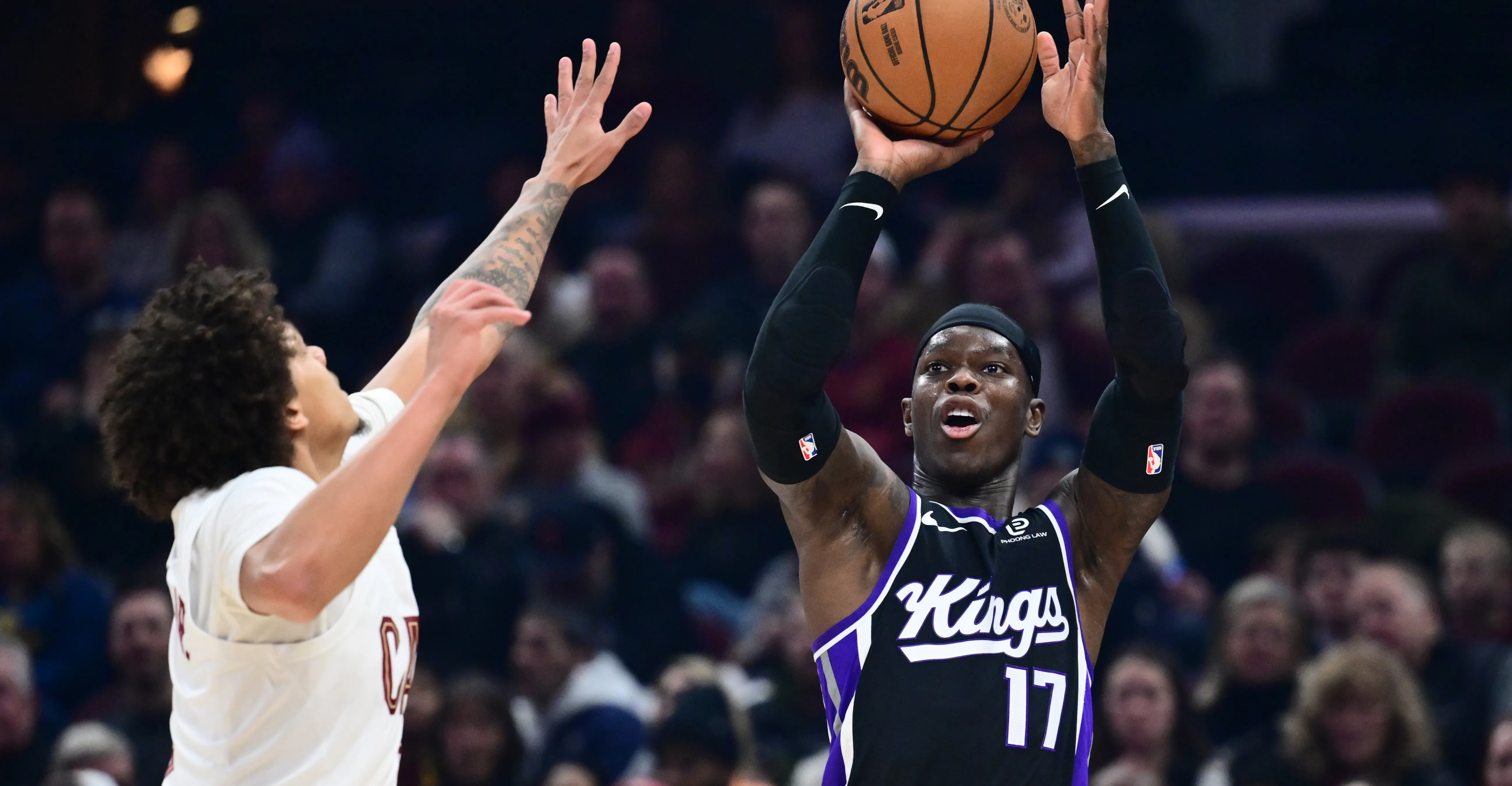
The complex transaction involved all three teams exchanging players and draft capital to achieve their respective goals. Cleveland acquired Schroder and Ellis from Sacramento while also receiving forward Emanuel Miller from Chicago. The Kings secured Hunter, the former lottery pick who had been with Cleveland since 2022. Chicago's involvement was crucial from a financial perspective, as they took on Šarić's contract and received two future second-round picks for their role in facilitating the deal. According to league sources, the Cavaliers also sent Denver's 2027 second-round pick to the Bulls to complete the transaction.
From a financial standpoint, the trade provides immediate relief for Cleveland's luxury tax situation. Schroder is making $10 million less than Hunter next season, creating significant breathing room under the league's punitive second apron. While the Cavaliers remain approximately $13.9 million over the second apron threshold, this move reduces their projected luxury tax bill from nearly $80 million to around $30 million for the current season. The savings could be even greater if Cleveland finds a taker for Lonzo Ball's $10 million expiring contract before the deadline.
Timeline: How the Hunter-Schroder-Ellis Trade Developed
The trade discussions began gaining serious momentum in late January as the Cavaliers grew increasingly concerned about their backcourt depth and financial flexibility. According to sources familiar with the negotiations, Cleveland had been shopping Hunter for several weeks but struggled to find suitable value until Sacramento expressed interest. The Kings, sitting in last place in the Western Conference, viewed Hunter as a long-term wing solution who could grow alongside their young core.
Chicago's involvement became essential around 11 p.m. Eastern Time on Saturday night, when the Bulls agreed to take on Šarić's contract to help balance the financial aspects of the deal. The inclusion of two second-round picks sweetened the arrangement for Chicago, who continue to accumulate draft assets for their rebuilding process. The trade was officially announced by all three teams on Sunday afternoon, with players expected to report to their new cities within 48 hours for physical examinations and introductions.
Why This Trade Makes Sense for All Three Teams
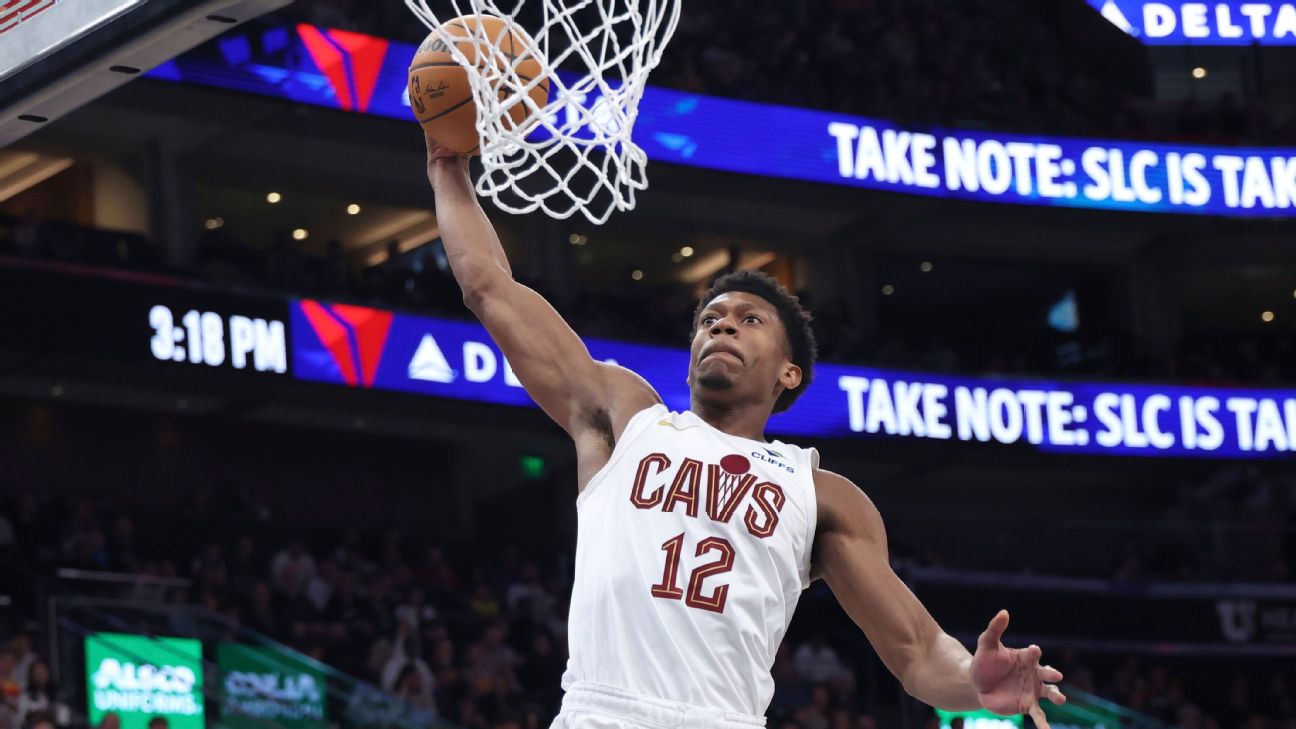
For Cleveland, the acquisition addresses several critical needs. Schroder provides a proven backup point guard who can create offense off the dribble—something that has been noticeably absent with Lonzo Ball's shooting struggles. The veteran German guard brings playoff experience and a career average of 14.2 points and 4.7 assists, offering immediate backcourt stability. Meanwhile, Ellis represents exactly the type of perimeter defender Cleveland has lacked. The 26-year-old ranks in the 95th percentile for blocks and 96th percentile for steals among wings, providing tenacious defense that should complement Darius Garland and Donovan Mitchell.
Sacramento gains a versatile wing in Hunter who can score at all three levels and defend multiple positions. The 28-year-old forward was averaging 14.8 points and 4.2 rebounds for Cleveland this season and provides the Kings with much-needed size on the perimeter. For Chicago, the deal continues their asset accumulation strategy. Šarić's expiring contract creates future cap flexibility, while the two second-round picks add to their draft capital for the coming years. The Bulls also maintain their financial position below the luxury tax threshold, preserving optionality for future moves.
Where Things Stand Now: Immediate Impact and Reactions
Initial reactions from analysts have been largely positive for Cleveland's side of the transaction. ESPN's Bobby Marks highlighted the significant financial savings, noting that "the Cavaliers not only improve their roster but do so while cutting their luxury tax bill by more than half." Schroder is expected to immediately assume backup point guard duties behind Garland, while Ellis will compete for rotation minutes on the wing. Both players are eligible to make their Cavaliers debuts as early as Wednesday's game against the Los Angeles Clippers.
In Sacramento, Hunter is projected to start at small forward, providing additional scoring punch alongside De'Aaron Fox and Keegan Murray. The Kings hope his defensive versatility and three-point shooting (career 37.8% from deep) will help stabilize their struggling defense. Chicago's acquisition of Šarić gives them a skilled big man who can stretch the floor, though he may become a buyout candidate if the Bulls decide to prioritize playing time for their younger frontcourt players.
What Happens Next: The Road Ahead for All Involved
The trade likely represents just the beginning of Cleveland's deadline activity. With their luxury tax situation improved but still above the second apron, expect the Cavaliers to remain active in discussions involving Lonzo Ball's expiring contract and potentially other rotation players. Schroder's future beyond this season remains uncertain—he has a player option for next year that he may decline if he performs well in Cleveland. Ellis will become an unrestricted free agent this summer, giving the Cavaliers a decision to make about his long-term fit alongside their core.
For Sacramento, the Hunter acquisition signals a commitment to competing despite their current standing. The Kings may look to make additional moves to bolster their frontcourt depth, particularly with Domantas Sabonis facing frequent double-teams. Chicago's focus remains firmly on the future, with the second-round picks adding to their growing collection of assets that could be packaged in future draft-night moves or used to acquire young talent.
The Bottom Line: Key Takeaways from the Three-Team Trade
• Cleveland addresses backcourt needs while saving approximately $50 million in luxury tax payments
• Dennis Schroder provides veteran point guard depth and playoff experience
• Keon Ellis brings elite perimeter defense that ranked in the top 5% of NBA wings
• Sacramento gains a versatile two-way wing in De'Andre Hunter
• Chicago continues asset accumulation with two second-round picks and financial flexibility
• The trade keeps all three teams under the luxury tax threshold, preserving future optionality
• Cleveland remains over the second apron by $13.9 million but has improved their financial position significantly
The three-team transaction demonstrates how modern NBA teams balance roster construction with financial considerations, particularly under the league's new collective bargaining agreement. While the immediate on-court impact may be subtle, the long-term implications for all three franchises could shape their trajectories for seasons to come.