
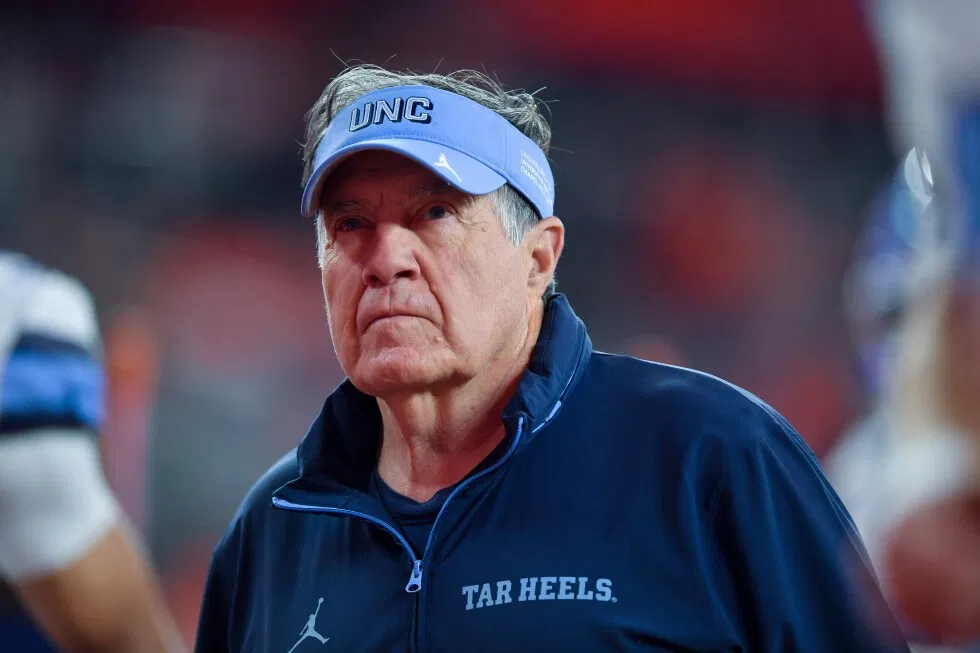
The sports world was rocked this week when news broke that Bill Belichick, the legendary eight-time Super Bowl-winning coach, was not elected as a first-ballot Pro Football Hall of Famer for the 2026 class. According to multiple reports, Belichick fell short of the required 40 votes from the 50-person selection committee, a stunning development for a coach widely considered one of the greatest in NFL history. The snub has sparked widespread controversy, with former players, fellow coaches, and fans alike questioning the Hall of Fame voting process and the criteria used to evaluate coaching greatness.
How the Hall of Fame Vote Unfolded: Inside the Controversial Decision
According to sources familiar with the voting process, Belichick needed 40 of the 50 votes from the Hall of Fame selection committee to secure induction. The 80 percent threshold has been a long-standing requirement, but few anticipated that a coach with Belichick's resume would struggle to reach it. The voting took place earlier this month, and results were communicated to candidates on January 27, 2026. Belichick, who currently serves as head coach at the University of North Carolina, was reportedly informed that he did not receive the necessary votes for first-ballot induction.
The reaction from the football community was immediate and intense. "I was shocked to learn Bill didn't get in," said Hall of Fame former general manager Bill Polian, who served on the selection committee. "He deserves to be in the Hall of Fame." Polian found himself at the center of the controversy after initial reports suggested he might have influenced other voters to make Belichick wait a year before induction. However, Polian quickly clarified his position, stating unequivocally, "I voted for coach Belichick in the Hall of Fame selection meeting."
Timeline: The Bill Belichick Hall of Fame Snub As It Happened
The controversy unfolded over several days, beginning with the initial report from ESPN on January 27 that Belichick would not be a first-ballot Hall of Famer. Within hours, social media erupted with reactions from former players and analysts. By January 28, Bill Polian had issued his statement clarifying his vote, and the Pro Football Hall of Fame had released an official statement addressing the growing backlash. On January 29, Tom Brady and Rob Gronkowski added their voices to the chorus of criticism, with Brady calling the decision "absolutely asinine" during an interview.
The sequence of events highlights how quickly the story developed from a routine Hall of Fame announcement to a full-blown controversy about voting transparency and criteria. Each new development added fuel to the fire, with media outlets dedicating extensive coverage to analyzing what the snub means for Belichick's legacy and the Hall of Fame's credibility.
Why Belichick's Snub Matters: Expert Analysis and Historical Context
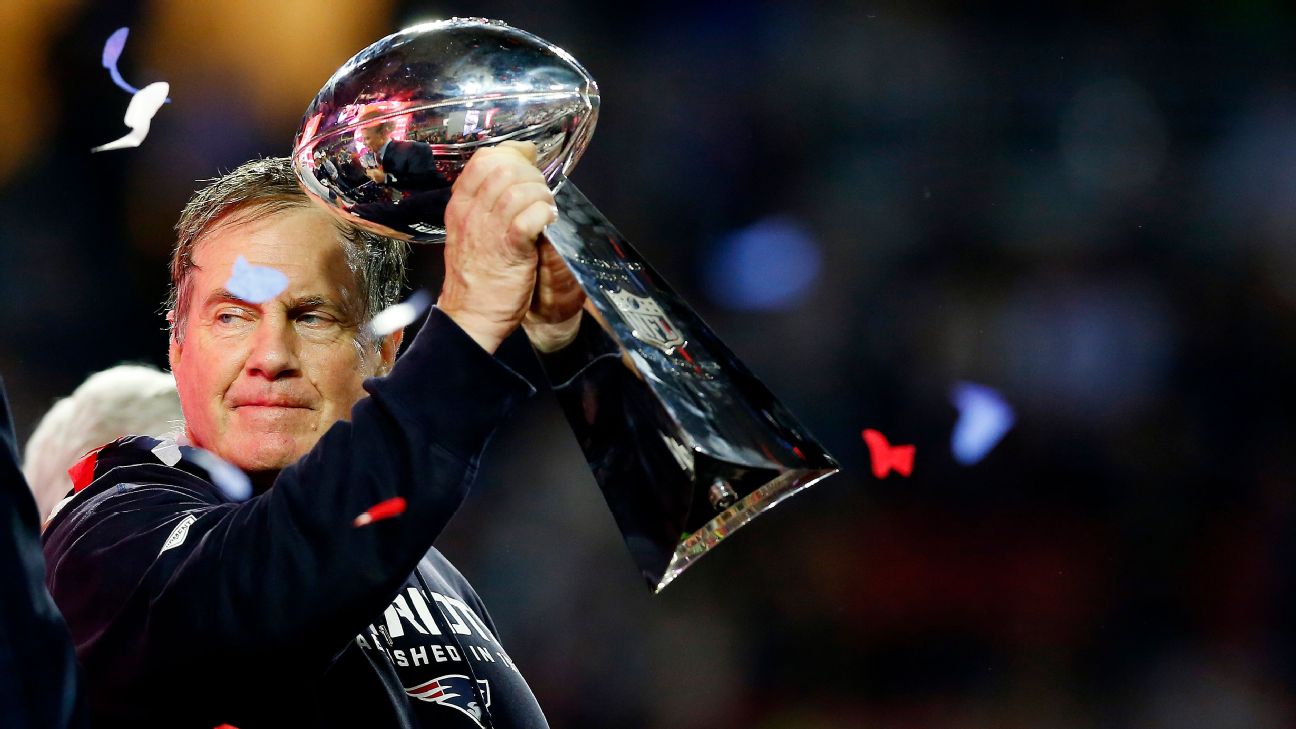
Bill Belichick's coaching resume is arguably the most impressive in modern NFL history. With six Super Bowl championships as head coach of the New England Patriots and two additional rings as defensive coordinator for the New York Giants, Belichick has more Super Bowl victories than any other coach or player. His .681 regular-season winning percentage ranks among the highest of all time, and his 31 playoff wins are the most by any head coach.
"The numbers speak for themselves," said NFL historian and Hall of Fame voter Jarrett Bell. "When you look at sustained excellence over two decades, what Belichick accomplished with the Patriots is unprecedented in the salary cap era." However, some voters reportedly considered factors beyond on-field success, including the "Spygate" and "Deflategate" controversies that shadowed parts of Belichick's tenure in New England. Others pointed to his current role in college football, suggesting that his candidacy might benefit from waiting until his coaching career is complete.
Where Things Stand Now: Latest Developments in the Hall of Fame Controversy
As of January 29, 2026, the Pro Football Hall of Fame has issued a statement defending its voting process while acknowledging the strong reactions to Belichick's exclusion. "The Pro Football Hall of Fame selection process is comprehensive, confidential, and conducted with the utmost integrity," the statement read. "While we understand and respect the passionate opinions surrounding this year's candidates, the process is designed to ensure that only the most deserving individuals are elected."
The Hall did not confirm specific vote counts or reveal which candidates received induction, maintaining its policy of confidentiality around the voting process. However, sources indicate that Belichick received significant support but fell just short of the 40-vote threshold. He will be eligible for consideration again in 2027, and many observers believe he will almost certainly be elected in his second year of eligibility.
What Happens Next: The Road Ahead for Bill Belichick and the Hall of Fame
While Belichick's first-ballot snub is historically significant, most experts believe it represents only a temporary delay in his inevitable enshrinement in Canton. "He'll get in next year, without question," said former Colts general manager Bill Polian. "The conversation will shift from whether he belongs to when he'll get in, and I expect that to happen very soon."
The controversy has sparked broader discussions about Hall of Fame voting criteria for coaches, particularly those with complex legacies that include both unprecedented success and occasional controversy. Some have called for greater transparency in the voting process, while others have suggested reevaluating the 80 percent threshold for coaches versus players. Whatever changes may come, Belichick's eventual induction appears to be a matter of when, not if.
The Bottom Line: Key Takeaways from the Belichick Hall of Fame Story
The Bill Belichick Hall of Fame snub represents one of the most surprising developments in recent NFL history. Despite his unparalleled coaching resume, the legendary coach fell short of first-ballot induction due to a combination of factors including the high voting threshold, concerns about past controversies, and the subjective nature of Hall of Fame voting. The strong reactions from former players like Tom Brady and Rob Gronkowski, combined with Bill Polian's clarification of his vote, have turned what might have been a routine announcement into a major controversy that raises important questions about how we evaluate coaching greatness and the transparency of the Hall of Fame selection process.