
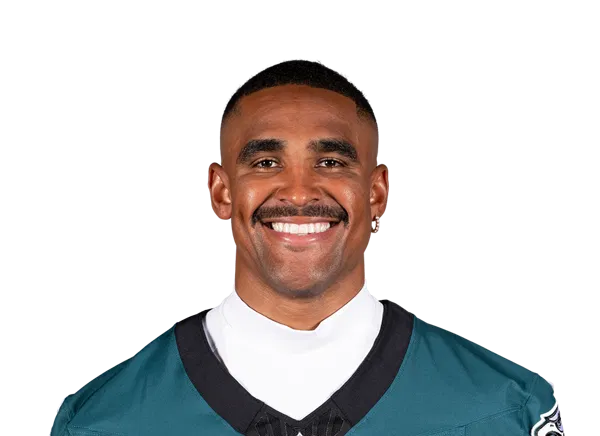
Philadelphia Eagles quarterback Jalen Hurts has been ruled out of Sunday's game against the Carolina Panthers after a follow-up ultrasound revealed movement in a small, superficial blood clot in his calf — a frightening health scare that has put the reigning Super Bowl MVP's season on hold. The Eagles announced the decision Thursday and have since described Hurts as out indefinitely, though the team has not placed him on injured reserve.
The diagnosis arrives at a fragile moment for Philadelphia, which sits at 2-3 and is mired in a three-game losing streak. Fourth-year backup Tanner McKee will make his third career start in Hurts' place, and head coach Nick Sirianni was quick to shift the conversation away from football. "I'm not gonna get too much into that," Sirianni said. "I know there's a great deal of interest in Jalen's health."
How Jalen Hurts' Blood Clot Diagnosis Unfolded
Hurts first surfaced the problem on Thursday, Oct. 8, when he visited the Eagles' medical staff about calf soreness and told them he had been cleated in the calf during Philadelphia's 24-20 loss to the Los Angeles Rams four days earlier. The issue was initially handled quietly — Hurts was listed on the injury report with a calf designation but continued to practice, and the quarterback himself deflected questions as recently as Wednesday.
"It was a very unique experience, to say the least," Hurts said the day before being ruled out. "I don't want to get into the details of kind of leading up to the game and whatnot, but..."
The situation came into sharper focus after the Eagles flew to London for their Week 5 matchup against the Jacksonville Jaguars. Following the roughly seven-hour transatlantic flight, an ultrasound revealed a superficial blood clot in Hurts' calf. In a statement, the team said its medical staff and doctors in London "reviewed the results and concluded that activity and participation" were safe, clearing the quarterback to play.
Hurts started at Tottenham Hotspur Stadium, completing 21 of 40 passes for 220 yards and a touchdown in a 19-17 loss decided by a Jaguars field goal as time expired. The relief was short-lived: on Wednesday night, a follow-up ultrasound "revealed movement in the small blood clot," and the Eagles ruled Hurts out for Week 6 the next day.
From a Calf Cleat to a Blood Clot: The Full Timeline
The sequence that sidelined Hurts unfolded over roughly a week and a half:
- Oct. 4: Hurts is cleated in the calf during the Eagles' 24-20 loss to the Rams.
- Oct. 8: Hurts reports calf soreness and tells the medical staff about the cleat.
- Oct. 11: After the flight to London, an ultrasound detects a superficial blood clot in Hurts' calf; doctors clear him to play against the Jaguars.
- Oct. 11: Hurts plays in London, going 21-of-40 for 220 yards and a touchdown in a 19-17 loss.
- Oct. 15: A follow-up ultrasound reveals movement in the small blood clot.
- Oct. 16: The Eagles rule Hurts out for Sunday's game against Carolina.
The NFL confirmed it held pregame communications with the Eagles about Hurts' blood clot ahead of the London game, a sign of how closely the league was monitoring a condition that can escalate quickly.
What a 'Superficial' Blood Clot Actually Means
Doctors have stressed that a superficial blood clot — formally known as superficial vein thrombosis, or superficial thrombophlebitis — is distinct from a deep vein thrombosis (DVT), the more serious condition that forms in larger veins buried beneath the muscle. Superficial clots develop in veins near the skin's surface and generally carry a lower risk of breaking loose and traveling to the lungs.
That distinction matters, but it does not make the situation benign. A clot that shows "movement" on a follow-up ultrasound is a warning sign, and the central concern is whether it could extend toward — or into — the deep venous system. Former NFL team doctor David Chao framed the stakes bluntly when explaining why players on blood thinners are typically held out of contact sports.
"Internal organ bleeding would be worrisome, but the big fear is, what if you have a brain bleed?" Chao said.
Treatment for superficial thrombophlebitis can range from conservative measures — rest, elevation, warm compresses and anti-inflammatory medication — to a course of blood-thinning drugs. If Hurts requires anticoagulation, the typical course runs about 45 days, which would translate to roughly six to seven weeks away from the field and likely rule out contact for a significant stretch of the season.
Where Things Stand: McKee Takes the Reins
With Hurts sidelined, the Eagles will hand the offense to Tanner McKee, a 26-year-old Stanford product selected in the sixth round in 2023. The 6-foot-6, 231-pound quarterback has earned the nickname "Mormon Missile" — he served a 21-month mission in Brazil for The Church of Jesus Christ of Latter-day Saints before college and speaks Portuguese fluently.
McKee's road to this moment has included hurdles beyond football: he was diagnosed with melanoma, a form of skin cancer, during his time at Stanford and overcame it to reach the NFL. Across four seasons of limited action, he has completed 54 of 88 passes (61.4 percent) for 597 yards and five touchdowns in six games, including two starts. He threw for 241 yards with a touchdown and an interception in a season-ending start against Washington in January.
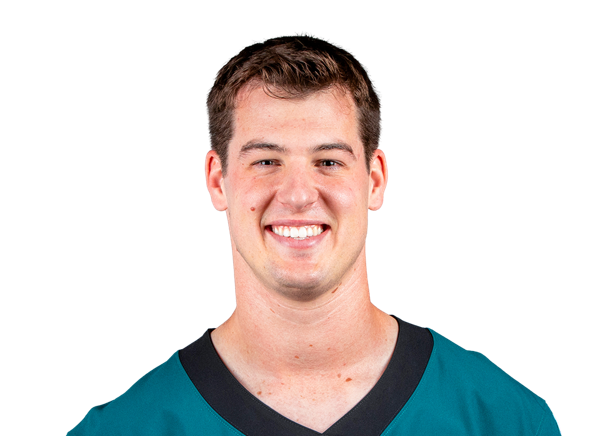
Sunday's game against Carolina will be McKee's third career start, but his first with genuine postseason stakes for a team that opened the year expecting to contend. Through five games this season, Hurts had thrown for 933 yards and eight touchdowns against three interceptions while rushing for 107 yards and a score.
What Happens Next for Hurts and the Eagles
The Eagles have described Hurts as out indefinitely rather than committing to a return date, and Sirianni has declined to offer specifics beyond his concern for the quarterback's well-being. "Care deeply about Jalen... we've been to the highest of highs and have had lows," the head coach said, reflecting on a partnership that produced a Super Bowl LIX title and MVP honors for Hurts.
Notably, the team has not placed Hurts on injured reserve, according to ESPN — a signal that the organization believes he could return within the next few weeks rather than being sidelined for the mandatory four-game minimum. The defining variable in his timeline is whether treatment includes blood thinners. A 45-day course would keep him out through late November and force the Eagles to navigate a pivotal stretch with McKee under center; if the clot resolves without anticoagulation, a faster return remains possible.
For now, the organization is prioritizing the long-term health of a quarterback who owns a 57-25 career record and ranks among the NFL's winningest active starters. The medical staff is expected to monitor the clot closely, with the first real clues about Hurts' status likely to emerge early next week.
The Bottom Line: Key Points on Jalen Hurts' Blood Clot
- Jalen Hurts is out for Week 6 against the Panthers with a superficial blood clot in his calf.
- The issue traces to a cleat to the calf in the Oct. 4 loss to the Rams, reported to the medical staff on Oct. 8.
- An ultrasound after the London flight found the clot, but Hurts was cleared to play against the Jaguars.
- A follow-up ultrasound Wednesday revealed "movement in the small blood clot," prompting the Eagles to shut him down.
- If treated with blood thinners, Hurts could miss roughly 45 days (six to seven weeks).
- Tanner McKee will start Sunday as the 2-3 Eagles look to snap a three-game skid.