
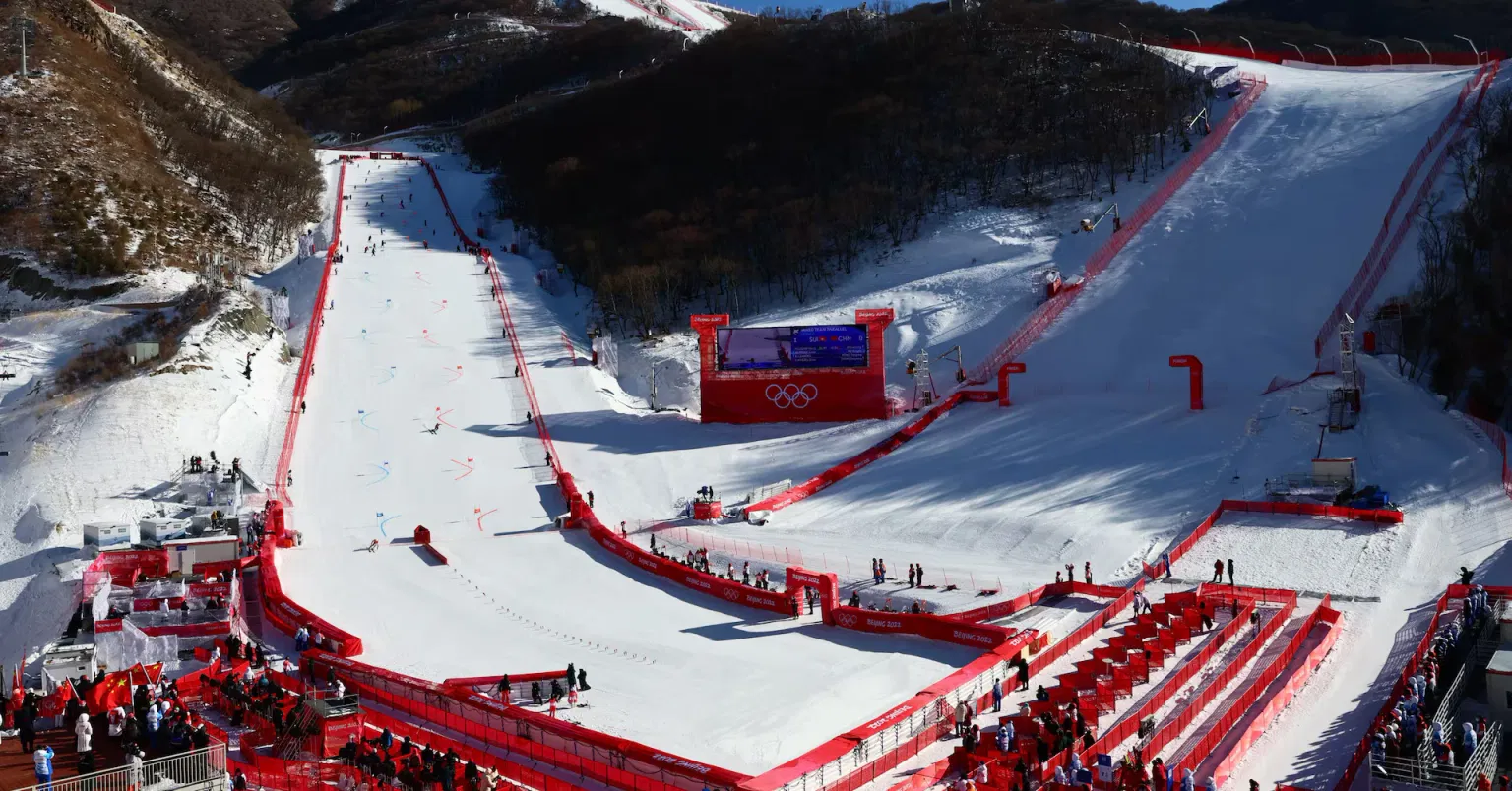
The 2026 Winter Olympics in Milan-Cortina will bring significant changes to alpine skiing, with the International Olympic Committee (IOC) approving major format revisions that will transform how athletes compete for medals. From February 7-18, 2026, the world's top skiers will tackle the legendary slopes of Bormio and Cortina d'Ampezzo in events that have been reshaped to enhance team competition and streamline the Olympic program. According to official Olympic sources, alpine skiing will feature 10 medal events—five for men and five for women—with the elimination of the mixed team parallel event and the introduction of team combined competitions.
How Alpine Skiing is Changing for the 2026 Olympics
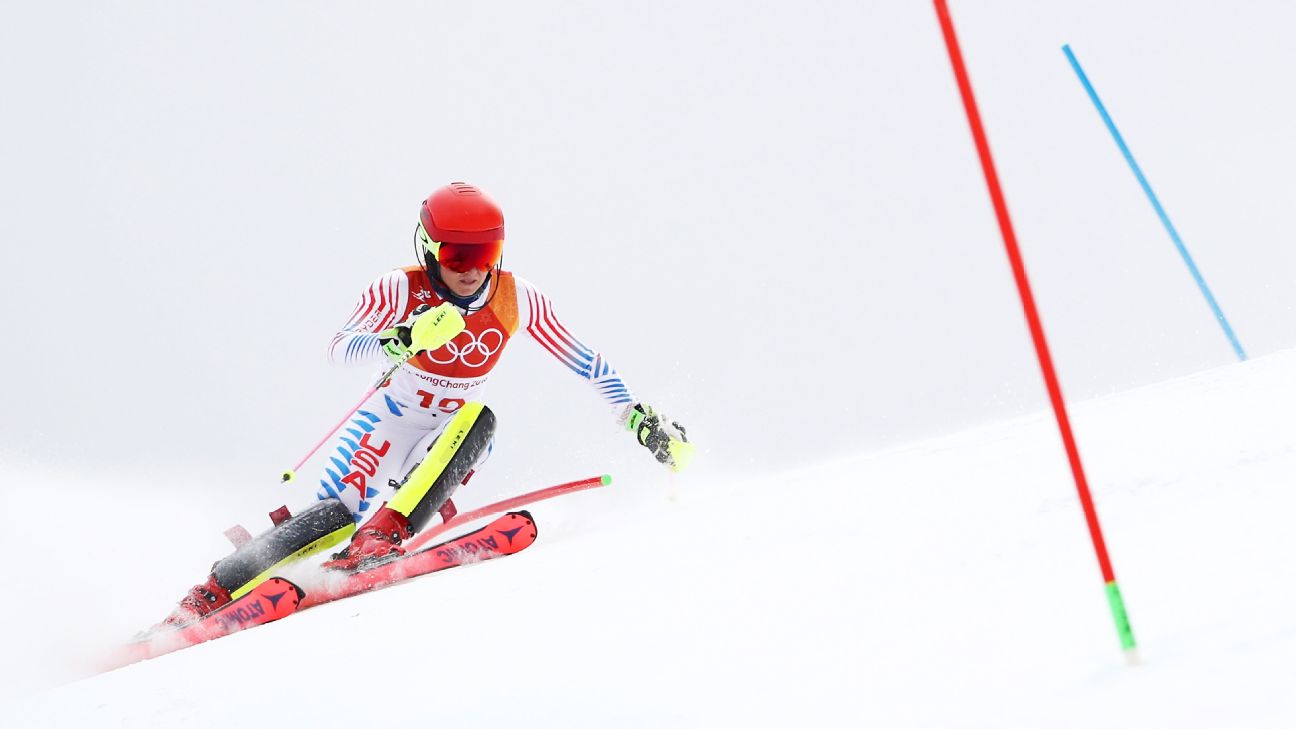
The most significant change coming to alpine skiing at the 2026 Winter Olympics is the transformation of the combined event from an individual competition to a team format. As reported by Reuters and confirmed by the IOC, the alpine combined will now feature two specialists per team—one focusing on downhill and the other on slalom—instead of a single skier attempting both disciplines. This shift represents a strategic move to emphasize team dynamics while maintaining the technical challenge that defines combined events.
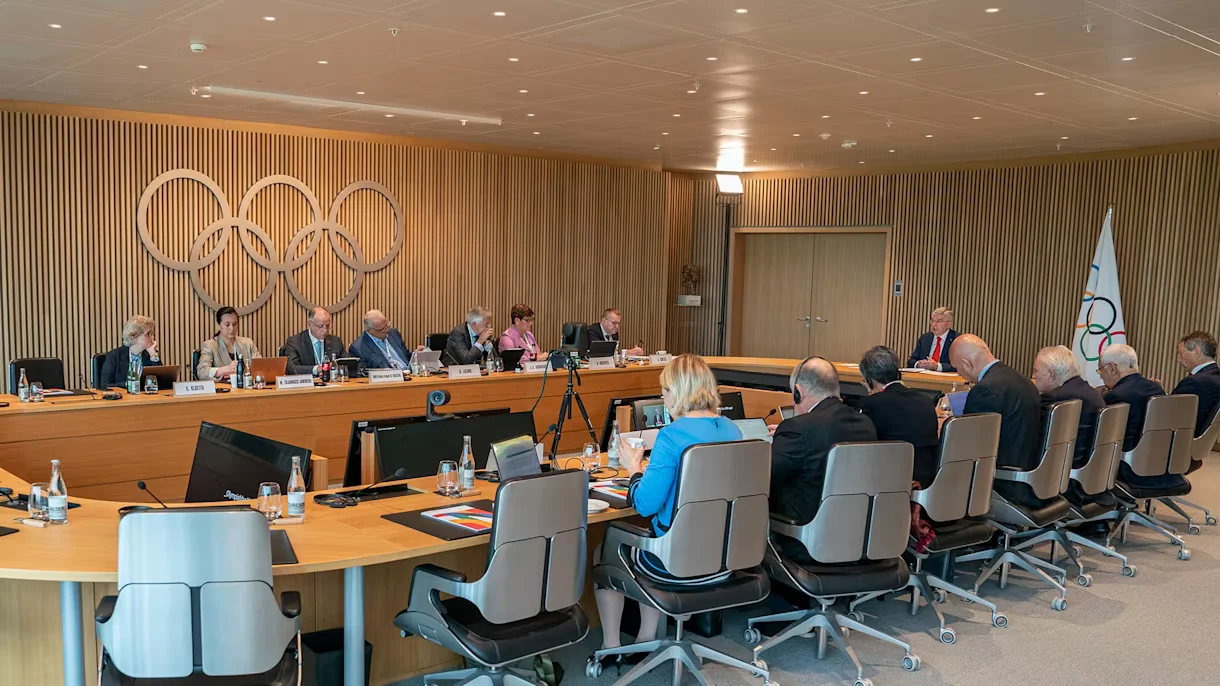
According to ESPN's coverage of the format changes, the decision to modify the combined event was part of broader adjustments to the Olympic winter sports program. The alpine mixed team parallel event, which debuted at the 2018 PyeongChang Games, has been dropped from the 2026 program. This reduction brings the total number of alpine skiing medal events from 11 to 10, with the athlete quota being reallocated to other sports and disciplines within the Winter Olympics framework.
From Individual to Team: The Evolution of Alpine Combined
The alpine combined event has a storied history at the Winter Olympics, dating back to the 1936 Games in Garmisch-Partenkirchen. Traditionally, this event tested skiers' versatility by combining times from one downhill run and one slalom run. For 2026, the International Olympic Committee has reimagined this classic discipline as a team competition where nations field two specialists—one downhill expert and one slalom specialist—whose combined times determine the medalists.
This format change, approved by the IOC Executive Board in June 2023, follows extensive consultation with the International Ski Federation (FIS) and national skiing associations. The new team combined format is designed to increase strategic depth while potentially making the event more accessible for nations that have specialists in specific disciplines rather than all-around skiers. As noted in the IOC's official announcement, these changes aim to "refresh the Olympic program while maintaining the essence of alpine skiing competition."
Why the Format Changes Matter for Athletes and Fans
The shift to team-based combined events represents more than just a rule change—it fundamentally alters how nations will approach alpine skiing at the Olympic level. For athletes, specialization becomes more valuable, potentially allowing skiers to focus on their strongest discipline while contributing to their nation's team success. For fans, the team format adds a new layer of strategy and national pride to watch, with countries potentially fielding different combinations of skiers based on course conditions and competitor strengths.
According to analysis from sports experts, these changes may also impact how nations allocate their coaching resources and development programs. The elimination of the mixed team parallel event, while disappointing for some fans of the head-to-head format, allows for a more streamlined competition schedule and potentially higher-quality fields in the remaining events. With 10 medal events instead of 11, each competition gains increased importance within the overall alpine skiing program.
What We Know About the 2026 Alpine Skiing Schedule
The official schedule for alpine skiing at the 2026 Winter Olympics, available through Olympics.com, shows competitions taking place from February 7-18, 2026. Men's events will be held at the Stelvio Ski Centre in Bormio, a venue renowned for its technical difficulty with a 3,442-meter course featuring a 1,023-meter vertical drop. Women's events will occur at the Tofane Alpine Skiing Centre in Cortina d'Ampezzo, a historic venue that previously hosted alpine skiing during the 1956 Winter Olympics.
The competition program includes five events each for men and women: downhill, slalom, giant slalom, super-G, and the newly formatted team combined. The schedule typically begins with the men's downhill on February 7, followed by women's downhill on February 8. According to the official Olympic schedule, medal events will be spaced throughout the 12-day period to allow for weather contingencies and optimal viewing opportunities for global audiences.
The Road to Milan-Cortina 2026: Key Dates and Qualifiers
As the 2026 Winter Olympics approach, athletes will compete in World Cup events and World Championships to earn qualification spots for their national teams. The International Ski Federation will establish specific qualification criteria, typically based on World Cup standings and performance at designated qualification events. For alpine skiing, nations can qualify a maximum of 22 athletes (11 men and 11 women), with additional spots allocated through reallocation processes.
Key dates leading up to the Games include the 2024-2025 World Cup season, which will serve as the primary qualification period, and the 2025 World Alpine Ski Championships in Saalbach, Austria. These events will not only determine Olympic qualification but also provide valuable preparation on courses similar to those athletes will face in Bormio and Cortina d'Ampezzo. For American fans, all eyes will be on Mikaela Shiffrin as she aims to add to her Olympic medal collection, having previously won gold in giant slalom (2018) and silver in combined (2018).
Key Takeaways for Alpine Skiing Fans
The 2026 Winter Olympics will present alpine skiing in a new light with significant format changes that emphasize team competition. The transformation of the combined event from individual to team format, along with the elimination of the mixed team parallel, represents the most substantial changes to the Olympic alpine skiing program in decades. Fans can look forward to watching world-class competition on two of Italy's most legendary ski courses—the challenging Stelvio slope in Bormio for men's events and the historic Tofane course in Cortina d'Ampezzo for women's events.
With approximately 306 athletes expected to compete across 10 medal events, the 2026 Olympic alpine skiing competition promises to deliver thrilling moments while showcasing the evolution of this cornerstone Winter Olympic sport. As the world's best skiers prepare for Milan-Cortina 2026, these format changes ensure that alpine skiing remains dynamic, competitive, and captivating for both traditional fans and new audiences discovering the sport through the Olympic Games.