
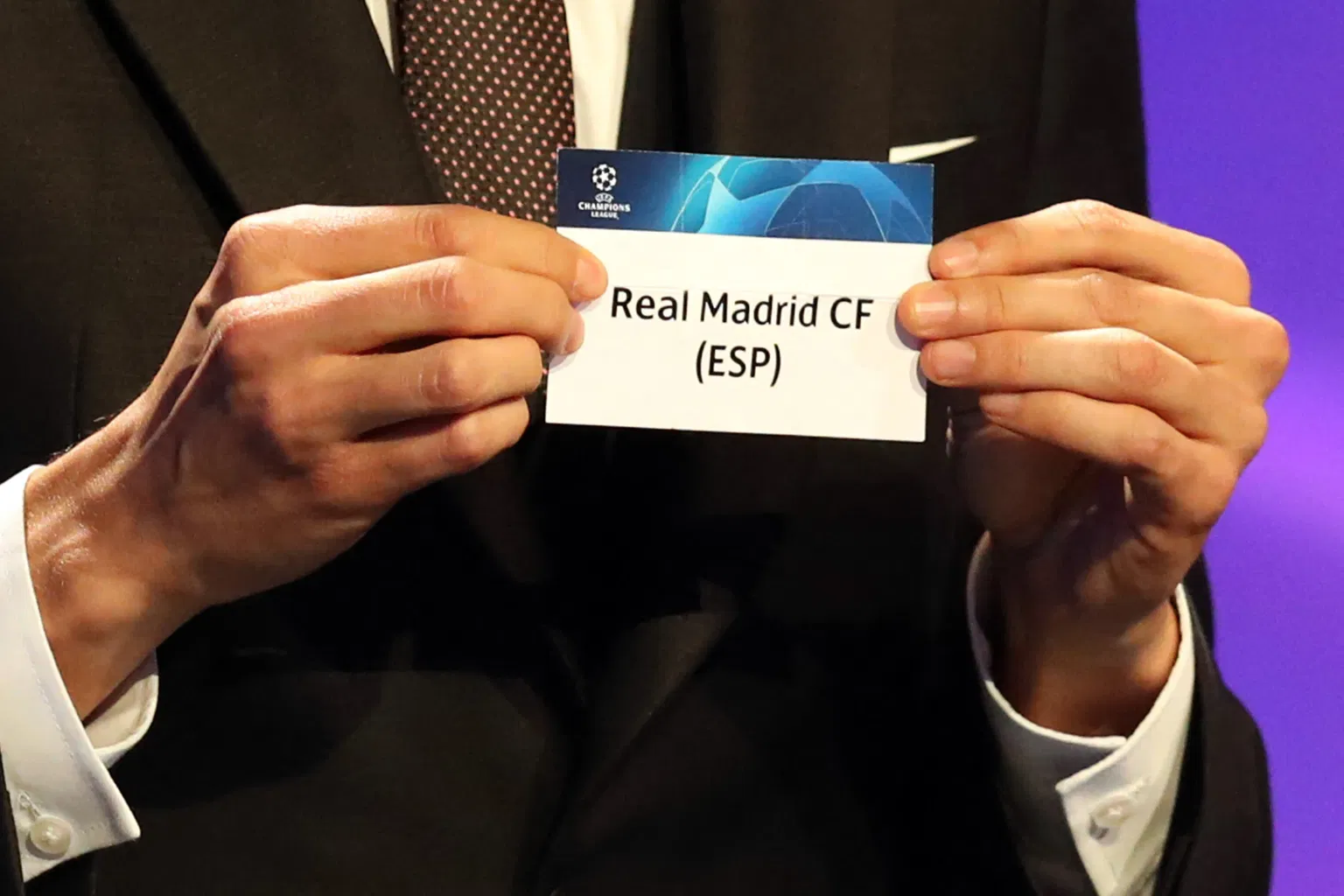
The UEFA Champions League round of 16 draw has produced blockbuster matchups for the 2025‑26 season, headlined by a fifth consecutive meeting between Real Madrid and Manchester City, while Arsenal received what many analysts are calling the most favorable path among Premier League clubs. Friday’s draw in Nyon, Switzerland, determined the pairings for the knockout phase of Europe’s premier club competition, setting a clear bracket that will map the road to the final in Budapest on May 30, 2026. With six English teams in the last 16—the most of any nation—the draw ensures a heavyweight flavor throughout the knockout stages, featuring several rematches of recent classic encounters.
How the Draw Unfolded: Inside the Champions League Knockout Bracket
Under the new Champions League format that debuted this season, the draw not only paired the round‑of‑16 opponents but also fixed the entire knockout bracket through to the final. The 16 surviving teams were split into two “paths”—Silver and Blue—with the eight seeded teams (those that finished in the top eight of the league phase) kept apart until a potential meeting in the final. According to FourFourTwo, the system is designed to reward stronger league‑phase performances by giving higher‑ranked teams a more predictable and theoretically easier route to the latter stages.
The first tie drawn pitted Paris Saint‑Germain, the defending champions, against Chelsea—a repeat of the 2021 final and a matchup that immediately caught the eye of pundits. Next came the marquee pairing: Real Madrid versus Manchester City, a fixture that has become an almost annual tradition in the Champions League. As CBS Sports noted, this will be the fifth season in a row that the two European giants meet, a run that includes City’s semifinal victory in 2023 and Madrid’s dramatic extra‑time triumph in the 2024 quarterfinals.
Other key matchups include Arsenal drawing Bundesliga leaders Bayer Leverkusen, Liverpool facing Turkish side Galatasaray, Bayern Munich meeting Atalanta, and Barcelona taking on Newcastle United. Tottenham Hotspur, the sixth English representative, were paired with Atlético Madrid in what promises to be a tactically intriguing contest.
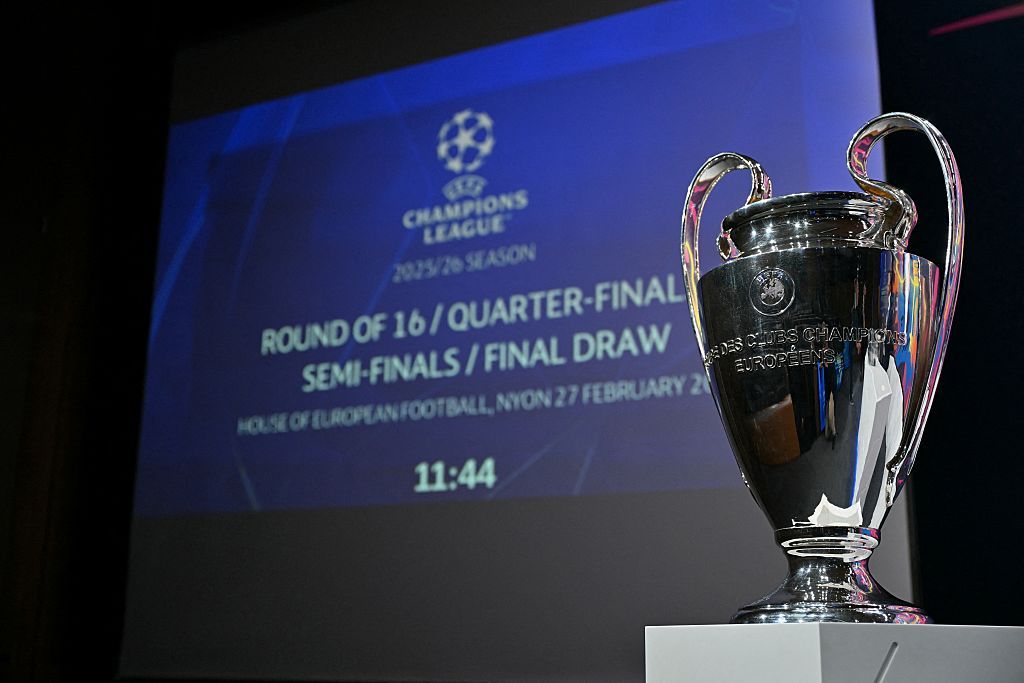
Timeline: The Road to Budapest from Draw to Final
The draw not only revealed the pairings but also locked in the schedule for the remainder of the competition. According to Heavy Sports, the first legs of the round of 16 will be played on March 10 and 11, 2026, with the return fixtures following on March 17 and 18. The quarterfinals are scheduled for April 7‑15, the semifinals for April 28‑May 6, and the final for Saturday, May 30 at the Puskás Aréna in Budapest.
This timeline represents a slight compression compared to previous seasons, a consequence of the expanded league phase that now precedes the knockout rounds. For the six Premier League clubs involved, the March dates will create a demanding period alongside domestic league and cup commitments, potentially influencing squad rotations and tactical approaches.
Historical context adds extra spice to several matchups. Real Madrid and Manchester City have faced each other in each of the last four Champions League campaigns, with City holding a narrow edge in recent years. PSG and Chelsea have met three times in the knockout stages since 2014, including Chelsea’s victory in the 2021 final. Arsenal and Bayer Leverkusen last met in the 2002 group stage, while Liverpool and Galatasaray have not faced each other in European competition since 2006.
Why This Draw Matters: Expert Analysis and Immediate Impact
Within minutes of the draw concluding, analysts began labeling clear winners and losers. CBS Sports described Arsenal as the biggest beneficiary, noting that Mikel Arteta’s side avoided the traditional European heavyweights and instead drew a Bayer Leverkusen team that, while leading the Bundesliga, lacks extensive Champions League knockout experience. “Arsenal got the golden path,” the publication declared, suggesting the Gunners have a genuine opportunity to reach the quarterfinals for the first time since 2010.
Conversely, the same analysis identified Manchester City and Real Madrid as the principal losers—not because either team is inferior, but because they must eliminate each other so early in the competition. “You could forgive these two clubs for feeling aggrieved,” CBS Sports wrote, pointing out that both would have been among the favorites to reach the final had they been placed in different halves of the draw.
Sky Sports highlighted Chelsea’s daunting task against PSG, calling it “on paper at least the hardest side of the draw.” The London club will have to overcome the defending champions and the tournament’s most potent attacking force, led by Kylian Mbappé, just to reach the quarterfinals. For Liverpool, the draw against Galatasaray presents a challenging but navigable hurdle, with the Turkish side’s formidable home atmosphere at Rams Park likely to be a key factor.
From a tactical perspective, several matchups offer fascinating contrasts. Bayern Munich’s organized gegenpressing will test Atalanta’s adventurous, possession‑based approach. Barcelona’s technical superiority will be measured against Newcastle’s physicality and set‑piece threat. And Tottenham’s high‑pressing style under Ange Postecoglou will collide with Atlético Madrid’s famously disciplined, counter‑attacking system.
Where Things Stand Now: Latest Reactions and Manager Comments
Initial reactions from managers and players began filtering through shortly after the draw. While official press conferences are scheduled for next week, early social‑media posts and brief comments to reporters revealed a mix of excitement and resignation. According to Daily Sports, Manchester City manager Pep Guardiola acknowledged the familiarity of facing Real Madrid yet again, remarking, “It looks like a little bit of a tradition.” The City boss added that his team “don’t have another option” but to prepare for another epic battle with the 14‑time European champions.
Carlo Ancelotti, the Real Madrid coach, has previously described preparing for Guardiola’s teams as “a nightmare,” a sentiment he reiterated after last season’s meeting. Although no fresh quote from Ancelotti was immediately available, Spanish media reported that the Italian spent Friday afternoon studying video of City’s recent matches, a clear indication of the respect between the two clubs.
Arsenal manager Mikel Arteta is understood to be pleased with his team’s draw, privately telling staff that Leverkusen represents a “challenging but manageable” opponent. Chelsea’s new head coach, yet to be officially appointed, will face an immediate baptism of fire against PSG, with the club’s ownership group reportedly already discussing transfer‑window additions to bolster the squad before the March fixtures.
What Happens Next: Predictions and Potential Quarterfinal Matchups
Looking ahead, the bracket system allows us to project potential quarterfinal pairings. On the Silver side of the draw, the winner of Real Madrid vs Manchester City would face either Bayern Munich or Atalanta, while the winner of PSG vs Chelsea would meet either Barcelona or Newcastle. On the Blue side, the winner of Arsenal vs Bayer Leverkusen would play either Liverpool or Galatasaray, and the winner of Tottenham vs Atlético Madrid would take on either Inter Milan or Borussia Dortmund (who advanced via the playoff round).
This structure means that if Arsenal and Liverpool both advance, they would meet in the quarterfinals—an all‑Premier League clash that would guarantee English representation in the semifinals. Similarly, a City victory over Madrid could set up a quarterfinal against Bayern Munich, reviving another classic European rivalry.
Bookmakers quickly installed Manchester City as slight favorites to progress against Real Madrid, largely due to their home‑and‑away dominance in last season’s semifinal. PSG are favored over Chelsea, Arsenal are strong favorites against Leverkusen, and Liverpool are expected to handle Galatasaray. The closest contest according to early odds is Bayern Munich vs Atalanta, with the German side holding only a marginal edge.
The Bottom Line: Key Takeaways from the Champions League Draw
- Real Madrid vs Manchester City is the standout tie—a fifth consecutive meeting that has become the Champions League’s defining modern rivalry.
- Arsenal received the most favorable draw among English clubs, giving Mikel Arteta’s side a genuine opportunity to reach the quarterfinals.
- Chelsea face the toughest path, having to eliminate defending champions PSG just to reach the last eight.
- The new bracket system locks in the entire knockout route, meaning teams can now map their potential path to the final.
- Six English teams in the last 16 represent a record for Premier League representation at this stage of the competition.
- First legs are scheduled for March 10‑11, 2026, with return fixtures on March 17‑18, creating a packed schedule for multi‑competition clubs.
With the pairings now set, clubs will immediately begin tactical preparations for what promises to be one of the most intriguing Champions League knockout phases in recent memory. The draw has delivered narrative richness, tactical variety, and a clear hierarchy of challenge—setting the stage for two months of elite European football that will culminate in Budapest on May 30.