
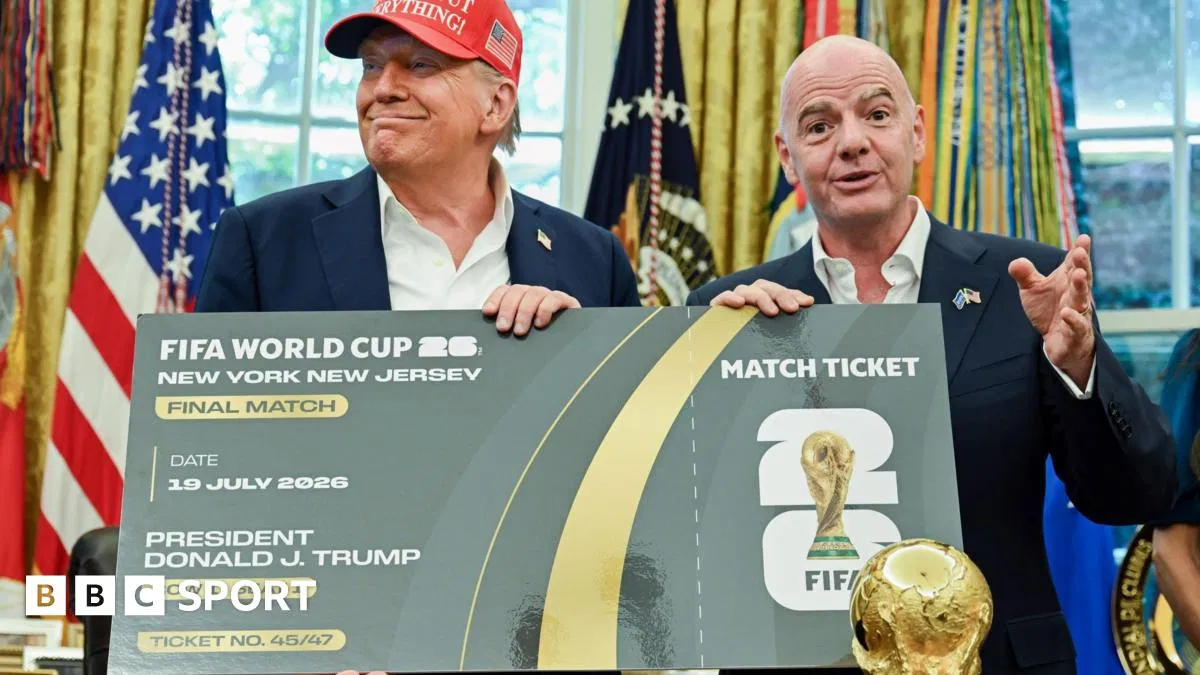
Soccer fans hoping to secure last-minute tickets for the 2026 FIFA World Cup faced a perfect storm of technical glitches, skyrocketing prices, and chaotic sales processes as FIFA launched its final ticket sales phase this week. The highly anticipated "last-minute sales phase" that opened on April 1, 2026—the fifth and final phase of ticket sales for the expanded 48-team tournament—immediately encountered problems that left thousands of supporters frustrated and empty-handed while prices for premium seats reached unprecedented heights.
How FIFA's Final Ticket Push Unfolded Amid Technical Chaos
When FIFA's ticketing portal reopened at 11 a.m. EDT on Wednesday, April 2, 2026, for what the organization called its "last-minute sales phase," the system was quickly overwhelmed by demand. According to CBS Atlanta, some fans who clicked on the sales link were mistakenly directed into a queue for the "PMA late qualifier supporters sales phase," a separate portal intended for fans of the six nations that had earned berths just the day before. Other users reported sitting in virtual queues that barely moved for hours, while some found themselves completely locked out of the purchasing process.
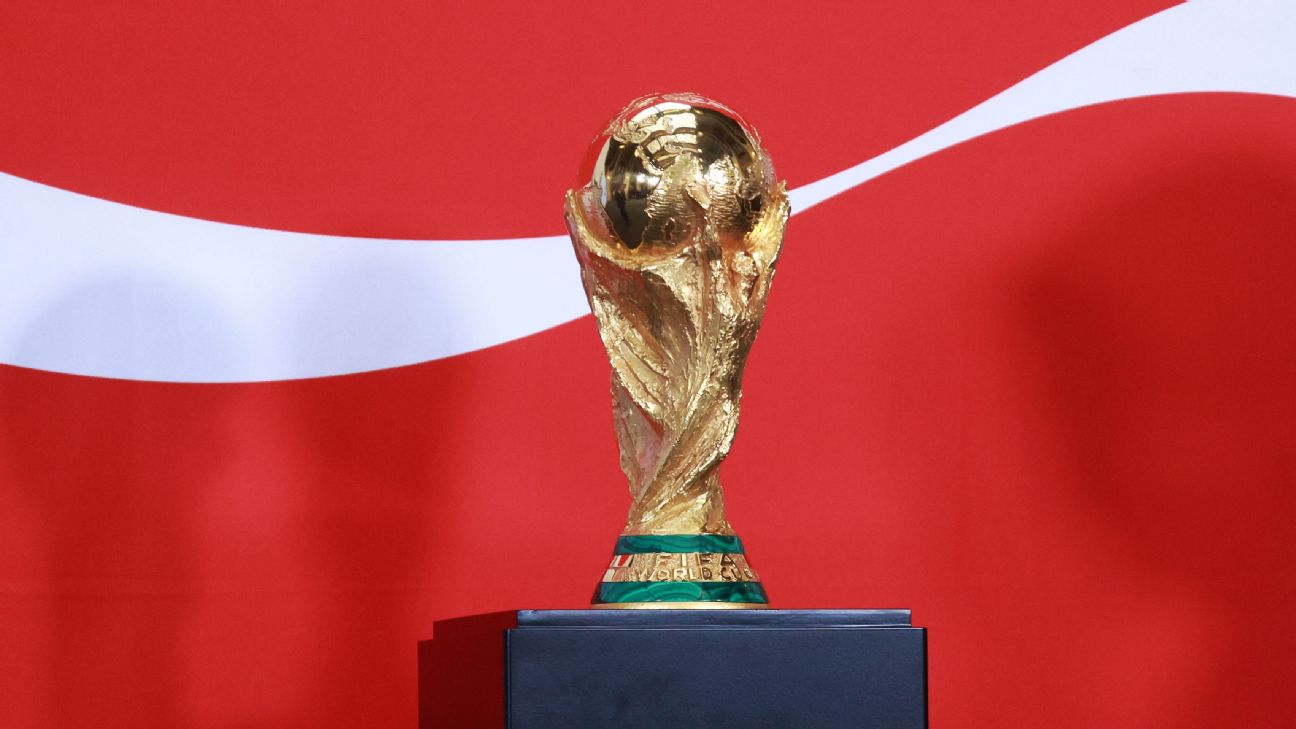
"FIFA appeared to have technical difficulties when it resumed World Cup ticket sales Wednesday after the 48-team field was finalized," reported KOMO News, capturing the widespread technical issues that marred what was supposed to be a straightforward final sales opportunity. The governing body later acknowledged the problems but claimed that by noon EDT, the links were "working properly." However, social media remained flooded with complaints from fans who had spent hours attempting to navigate the glitch-prone system only to find that their desired tickets had either sold out or increased in price during their wait.
From $8,680 to $10,990: The Staggering Price Surge for World Cup Finals
Perhaps more shocking than the technical problems was the dramatic price inflation that accompanied this final sales phase. According to CBS Atlanta's detailed analysis, FIFA raised its top ticket price for the World Cup final to $10,990 during this week's sales reopening—a 27% increase from the $8,680 price point when tickets were sold after the tournament draw in December. Category 2 tickets for the July 19 championship game at MetLife Stadium in East Rutherford, New Jersey, jumped to $7,380 (up from $5,575), while Category 3 seats now cost $5,785, increased from $4,185.
The price hikes weren't limited to the final match. Tickets for the tournament opener between Mexico and Saudi Arabia on June 11 in Mexico City saw their highest-priced seats increase from $2,355 to $2,985. Canada's first game against Bosnia-Herzegovina on June 12 in Toronto experienced a more modest increase, with premium seats rising from $2,170 to $2,240. What makes these increases particularly controversial is FIFA's implementation of "dynamic pricing" for the first time in World Cup history—a system that adjusts prices based on real-time demand, similar to airline and concert ticket practices.
Timeline: How the 2026 World Cup Ticket Controversy Developed
The current crisis represents the culmination of months of growing tension between FIFA and football supporters worldwide. The timeline began in September 2025 with a Visa presale draw, followed by an early ticket draw in October, a random selection draw from December to January, and an unscheduled 48-hour availability in late February. By the end of the previous sales phase, FIFA reported that over one million tickets had been sold, according to ESPN.
The controversy reached a new level on March 10, 2026, when 69 Democratic members of the U.S. Congress sent a formal letter to FIFA President Gianni Infantino expressing "deep concern" about the organization's dynamic pricing strategy. "The employment of dynamic ticket pricing for the 2026 FWC starkly contrasts with FIFA's core mission to promote the accessible and inclusive promotion and development of soccer globally," the lawmakers wrote. "Despite host cities' cooperation in bringing the vision of the largest, most global World Cup in history to fruition, the consequences of dynamic pricing will make the 2026 FWC the most financially exclusionary and inaccessible to date."
Just two weeks later, on March 24, Football Supporters Europe (FSE) filed a formal complaint with FIFA over what it called "excessive ticket prices" and "unfair purchasing conditions." The fan organization specifically called on FIFA to abandon dynamic pricing and freeze prices for the April release of tickets—a demand that went unheeded as the latest sales phase launched with even higher prices than before.
Why Dynamic Pricing Changes Everything for World Cup Accessibility
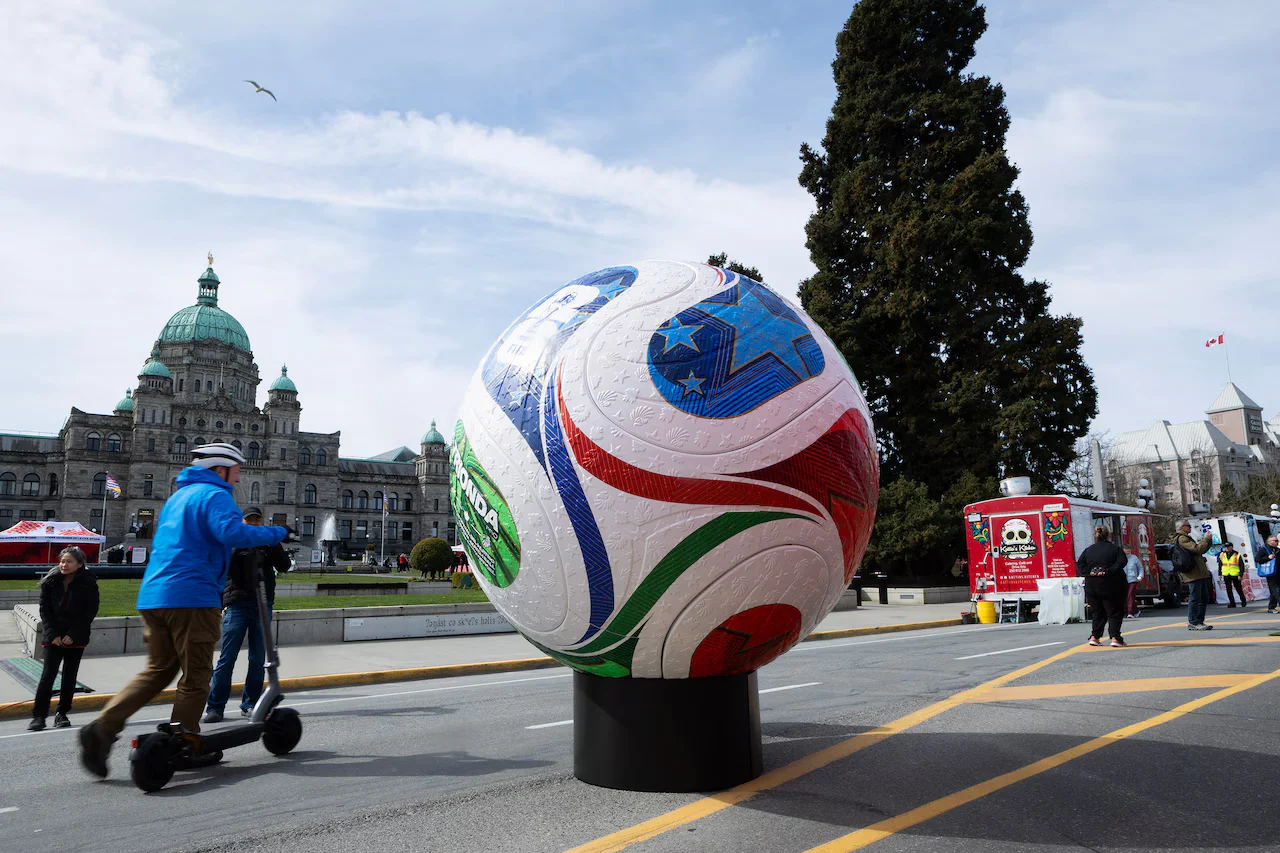
The introduction of dynamic pricing represents a fundamental shift in how World Cup tickets are sold and who can afford to attend. Unlike previous tournaments where prices were fixed well in advance, the new system allows FIFA to adjust prices in real time based on demand—meaning popular matches can become prohibitively expensive for average fans within hours of tickets becoming available. This system particularly disadvantages supporters from lower-income nations and younger fans who have traditionally been the lifeblood of World Cup atmospheres.
FIFA has defended the approach by noting that $60 tickets would be made available to each participating national federation for their most loyal supporters—an amount likely to be 400-700 per team for each match. However, with the tournament expanding to 48 teams and matches spread across 16 cities in three countries, critics argue this represents only a token gesture that does little to address systemic accessibility issues. The organization also operates its own resale market, collecting 15% fees from both buyers and sellers, creating what some analysts have called a "closed ecosystem" that maximizes FIFA's revenue at fans' expense.
Where Things Stand Now: Available Tickets and Ongoing Issues
As of Thursday, April 3, 2026, the ticket landscape remains fragmented and challenging for prospective attendees. According to CBS Atlanta's investigation, tickets were listed for only 17 of the 72 group-stage matches by Wednesday night, with none of the knockout stage games available through the official portal. The U.S. opener against Paraguay on June 12 at SoFi Stadium in Inglewood, California, showed only $2,735 tickets available—the highest-priced seats—with no change in price from December. Notably, no tickets were listed for the Americans' June 19 game against Australia in Seattle or their June 25 match against Turkey in Inglewood.
FIFA has clarified that not all remaining tickets are being put on sale simultaneously and that additional tickets will be released on a rolling basis throughout the sales period, which will remain open through the tournament. This marks the first time in World Cup history that fans can purchase specific seat locations rather than requesting a ticket category—a change that adds complexity to an already challenging process. For those still hoping to attend, Syracuse.com reported finding some tickets under $300 despite the overall price surge, suggesting that diligent searching and flexibility with dates and locations might still yield affordable options.
What Happens Next: The Road to the 2026 World Cup
With the tournament set to begin on June 11, 2026—just over two months from now—the clock is ticking for both FIFA and fans. The organization faces mounting pressure to address the technical issues that have plagued this sales phase and to respond meaningfully to the criticisms from lawmakers and supporter groups. Some industry observers suggest FIFA may need to implement emergency measures, such as price caps for certain matches or dedicated sales windows for affordable tickets, to salvage its reputation and ensure stadiums are filled with genuine supporters rather than only corporate clients and wealthy individuals.
For fans, the coming weeks will require persistence and strategic planning. Those still seeking tickets should monitor FIFA's official ticketing portal regularly for new releases, consider matches in less popular cities or time slots, and explore official resale options carefully. The expanded 48-team format means there are more matches than ever before—104 total across the U.S., Mexico, and Canada—creating both challenges and opportunities for those willing to navigate the complex landscape.
The Bottom Line: Key Points Every Soccer Fan Should Know
As the 2026 World Cup approaches, several critical facts have emerged from this week's ticket sales chaos:
- The final "last-minute sales phase" represents the fifth and final opportunity to purchase tickets directly from FIFA before the tournament begins
- Technical glitches have affected many users, with some being directed to wrong queues and others experiencing hours-long wait times
- Dynamic pricing has driven significant cost increases, particularly for premium matches, with final tickets now reaching $10,990
- Over one million tickets had already been sold before this phase, meaning availability is limited for popular matches
- Both U.S. lawmakers and European supporter groups have filed formal complaints about pricing and accessibility
- Additional tickets will be released on a rolling basis through the tournament, requiring ongoing monitoring of official channels
- Despite the challenges, some affordable options (under $300) remain available for those flexible with dates and locations
The 2026 World Cup was promised as the most accessible and inclusive in history, featuring an expanded format and matches across North America. Instead, the ticket sales process has revealed deep tensions between commercial interests and football's democratic ideals—a conflict that will continue to unfold as the world's most watched sporting event approaches its historic North American homecoming.