
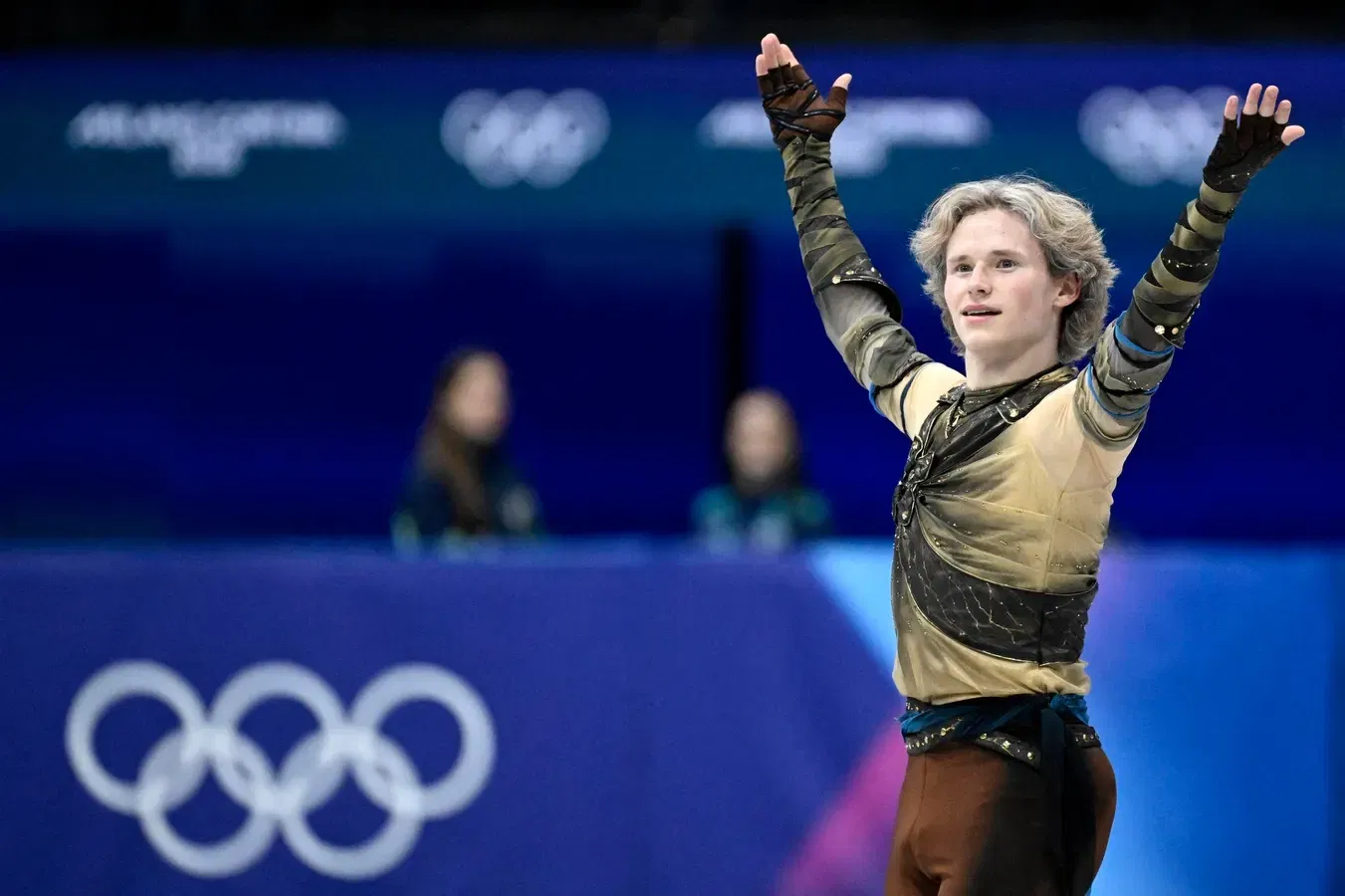
The ice at Milan's Palazzo del Ghiaccio awaits its next Olympic champion as American figure skater Ilia Malinin, the 21-year-old sensation known as the "Quad God," prepares for the men's free skate final at the 2026 Winter Olympics. With a 5-point lead after a near-perfect short program that included a historic backflip—the first legally performed in Olympic competition since 1976—Malinin stands on the brink of completing his transformation from viral sensation to Olympic gold medalist. Today's free skate not only represents his chance at individual glory but could cement his legacy as one of the most revolutionary figure skaters in history.
How the 'Quad God' Built His Olympic Lead
Malinin's journey to the top of the leaderboard began with a short program that left judges and spectators alike in awe. Scoring 108.16 points, the American executed two flawless quadruple jumps—a quad flip and quad toe loop—while demonstrating artistic maturity that belied his youth. His technical score of 64.51 points set a new Olympic record for the men's short program, giving him a significant cushion over chief rival Yuma Kagiyama of Japan, who sits second with 103.07 points. "I enjoyed it very much, but while waiting, I could hear the cheers for Ilia," Kagiyama admitted after his own strong performance, acknowledging the electric atmosphere Malinin created in the arena.
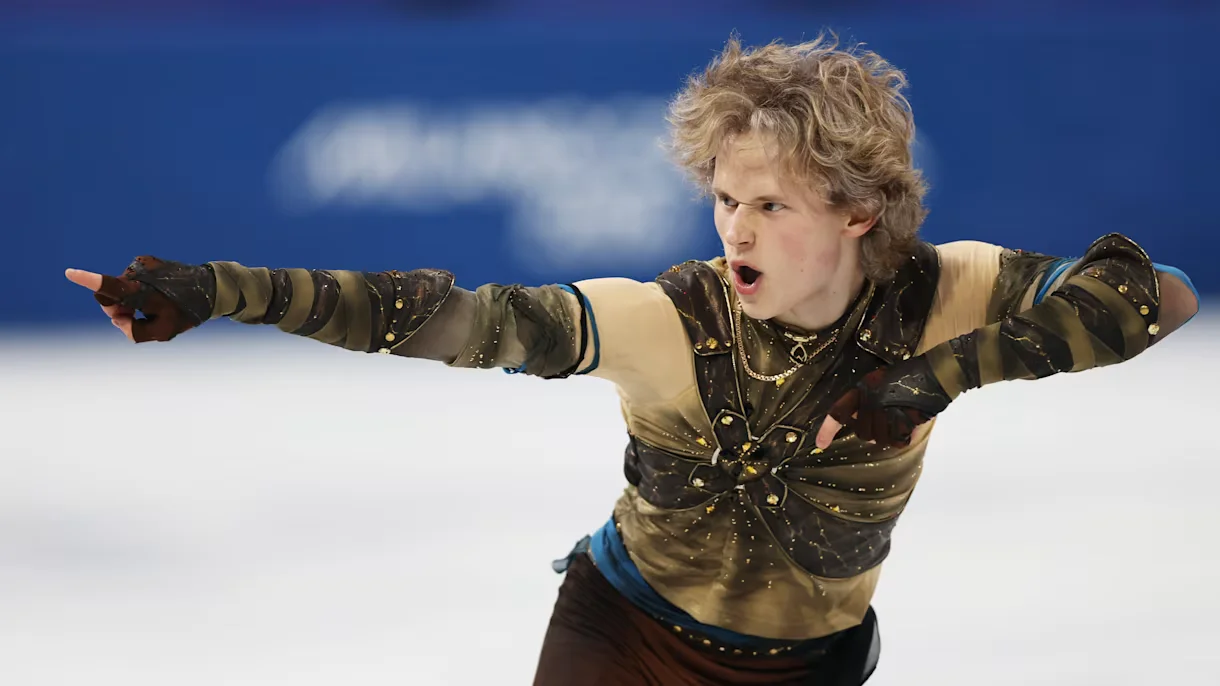
The most dramatic moment of Malinin's short program came when he landed a backflip—a move banned from Olympic competition for nearly 50 years due to safety concerns. The International Skating Union only lifted the prohibition in 2024 after extensive safety reviews, and Malinin became the first skater to successfully incorporate it into an Olympic program. "Malinin lands first legal Olympic backflip since 1976," reported Reuters, noting that the American had "prioritized safety" in training the high-risk element. The backflip not only added technical points but symbolized Malinin's willingness to push the boundaries of what's possible in figure skating.
From Team Gold to Individual Glory: Malinin's Olympic Timeline
Malinin's current position as gold medal favorite represents the culmination of a carefully orchestrated Olympic campaign that began with team competition success. Five days before the individual event, he delivered a career-defining performance in the team event free skate, landing five quadruple jumps to secure the gold medal for Team USA. "The 'Quad God' Malinin seals figure skating team gold for US," reported Le Monde, noting his "five quadruple jumps" that defended America's team title from the 2022 Beijing Games.
The timeline of Malinin's Olympic breakthrough reads like a storybook: On February 8, he led Team USA to gold; on February 10, he topped the short program leaderboard; and today, February 13, he attempts to complete the trifecta with individual gold. Along the way, he made the strategic decision to prioritize safety over attempting the historic quadruple Axel—a jump he has landed in competition but considered too risky for Olympic conditions. "Ilia Malinin prioritising safety over landing historic quadruple Axel at Olympics," confirmed Reuters, highlighting the maturity behind his gold medal pursuit.
The Quad Revolution: How Malinin Changed Figure Skating
At just 21 years old, Malinin represents the culmination of figure skating's "quad revolution"—a period where technical jumping ability has redefined what's possible in the sport. The son of former competitive skaters Tatiana Malinina and Roman Skorniakov, he grew up watching the evolution of quadruple jumps from rare feats to necessary components of championship programs. What sets Malinin apart isn't just his ability to land quads but his consistency in competition and his pioneering of the quad Axel—a 4.5 rotation jump considered the sport's most difficult element.
"How Ilia Malinin Revolutionized Figure Skating with His Quadruple Axel," explored Wired magazine in coverage of the Olympics, detailing how the young American's technical prowess has forced the entire sport to elevate its jumping standards. Yet Malinin has faced criticism that his focus on quads comes at the expense of artistic expression—a critique he answered definitively in Milan with a short program that earned high component scores for interpretation and musicality. "The star once again was the USA's Ilia Malinin, who stormed to the top of the leaderboard with a stunning routine featuring a quad flip and exceptional artistry," reported the BBC, acknowledging his balanced approach.
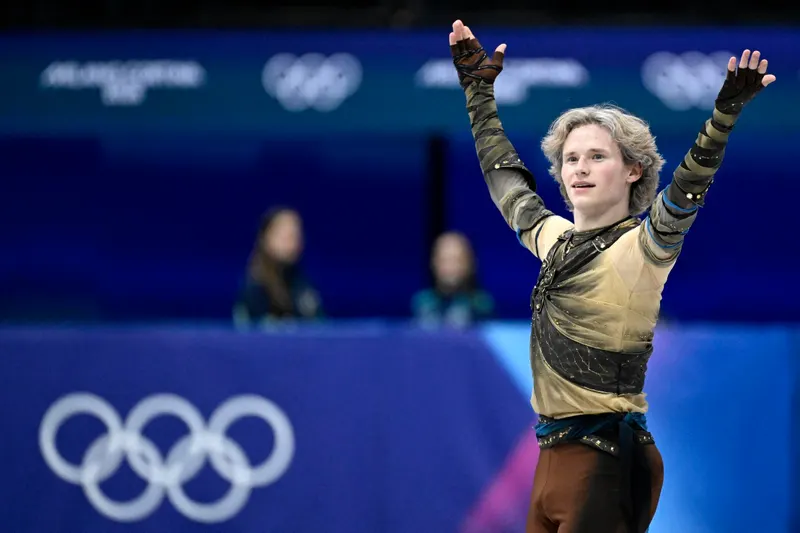
The Final Showdown: Today's Free Skate Schedule and Competition
As the men's free skate begins at 12 p.m. local time (6 a.m. Eastern Time), Malinin faces a field of accomplished challengers determined to disrupt his gold medal march. Japan's Yuma Kagiyama, a two-time Olympic silver medalist, sits just five points behind and brings championship experience that Malinin lacks. "Kagiyama Yuma 'going to have to be perfect' to challenge Malinin," reported Olympics.com, noting the Japanese skater's own technical capabilities and competitive pedigree.
Further down the leaderboard, France's Adam Siao Him Fa (third with 101.23 points) and Italy's Daniel Grassl (fourth with 98.50 points) represent dark horse contenders capable of podium finishes with exceptional free skates. The competition format gives skaters in the final flight—the top six after the short program—the advantage of performing last, with Malinin scheduled as the final skater of the night. This positioning allows him to know exactly what scores he needs to win but also places the pressure of performing under gold-medal expectations.
What Happens Next: The Legacy of a Potential Malinin Gold
Should Malinin complete his golden quest, his victory would represent more than just another American Olympic triumph in figure skating. It would validate a new era of technical innovation in the sport and potentially inspire a generation of skaters to attempt elements previously considered impossible. At just 21, Malinin would become the youngest men's Olympic figure skating champion since Evan Lysacek in 2010, with the potential to dominate the sport through the 2030 Olympics.
Beyond the immediate competition, Malinin's success could accelerate changes in figure skating scoring and safety standards. His legal backflip has already prompted discussions about whether other previously banned elements might be reconsidered, while his quad proficiency continues to push technical boundaries. "The Quad God's Edge: Figure Skating Scoring Explained," analyzed Sportico, noting how Malinin's programs have forced judges and officials to reconsider how extreme technical content should be evaluated alongside traditional artistic components.
The Bottom Line: Key Points from Malinin's Gold Medal Quest
• Ilia Malinin leads men's figure skating at the 2026 Winter Olympics with 108.16 points after the short program, holding a 5-point advantage over Japan's Yuma Kagiyama
• The American made history by landing the first legal Olympic backflip since 1976, incorporating the recently-legalized element into his championship program
• Malinin previously helped Team USA secure gold in the figure skating team event with a five-quadruple-jump free skate
• Today's free skate final begins at 12 p.m. local time in Milan, with Malinin scheduled to skate last as the short program leader
• A gold medal would cement Malinin's status as the leader of figure skating's "quad revolution" and potentially inspire rule changes in the sport
As the Palazzo del Ghiaccio fills with spectators and the world watches, Ilia Malinin stands ready to complete his Olympic journey—from viral "Quad God" sensation to reigning Olympic champion. His performance today will determine not just who takes home the gold medal but what the future of figure skating might look like in the years to come.