
The 2026 NCAA Tournament bracket has been revealed, setting the stage for three weeks of madness that will captivate basketball fans across the nation. Duke earned the coveted No. 1 overall seed on Selection Sunday, leading a field of 68 teams that includes traditional powerhouses, surprising inclusions, and dangerous mid-majors ready to make history. With the First Four tipping off in just two days, the road to Indianapolis begins with bracket analysis, upset predictions, and the annual debates that define March.
Duke Claims Top Spot as 2026 March Madness Bracket Unveiled
The Blue Devils secured the tournament's top seed after a dominant 32-2 season that included both ACC regular-season and tournament championships. Duke will headline the East Region, which features what analysts are calling the "Glamour Region" due to its concentration of traditional basketball powers. Joining Duke on the No. 1 seed line are Arizona in the West, Michigan in the Midwest, and Florida in the South, according to AP News coverage of the bracket reveal.
What makes this year's bracket particularly notable is the lack of widespread controversy surrounding the Selection Committee's decisions. "It kind of seems like no one is overly upset about anything?" noted SB Nation's analysis, highlighting how bubble teams that were considered "on the outside looking in" failed to strengthen their cases during conference tournament week. This stands in contrast to recent years where seeding decisions sparked immediate debate and criticism across the college basketball landscape.
The Committee's most debated decision involved Miami University, which finished with a gaudy 31-1 record but played the 269th-ranked strength of schedule. The Redhawks became the first team in tournament history with such a polarized resume—predictive metrics ranked them outside the top 90, while resume-based metrics placed them in the top 40. The Committee's solution: making Miami the final team in the field and sending them to Dayton for a First Four matchup against a power conference opponent.
From Selection Sunday to Championship Monday: The 2026 Tournament Timeline
The 2026 NCAA Tournament follows a familiar schedule but with heightened anticipation after last year's historic chalk results. According to NCAA.com, the action begins with the First Four in Dayton, Ohio on Tuesday, March 17 and Wednesday, March 18. The traditional first round follows on March 19-20, with 32 games determining which teams advance to the second round on March 21-22.
The tournament then takes a brief break before resuming with the Sweet 16 on March 26-27, followed by the Elite Eight on March 28-29. The Final Four will be held at Lucas Oil Stadium in Indianapolis on Saturday, April 4, with the national championship game scheduled for Monday, April 6. This marks a return to Indianapolis, which has hosted the Final Four seven times previously, most recently in 2021.
Printable brackets are available through multiple sources, including USA Today and NCAA.com, allowing fans to participate in office pools and bracket challenges. The digital age has transformed bracket participation, with millions expected to submit their predictions through various online platforms before the first games tip off on Tuesday.
Breaking Down the Bracket: Expert Analysis and Key Takeaways
Several key storylines emerged immediately following the bracket reveal. The SEC solidified its status as the nation's deepest conference, securing 10 bids—the most of any league—and nearly sending 12 teams according to SB Nation's analysis. Oklahoma and Auburn were the first two teams left out, both missing the field by the narrowest of margins after falling short in their conference tournaments.
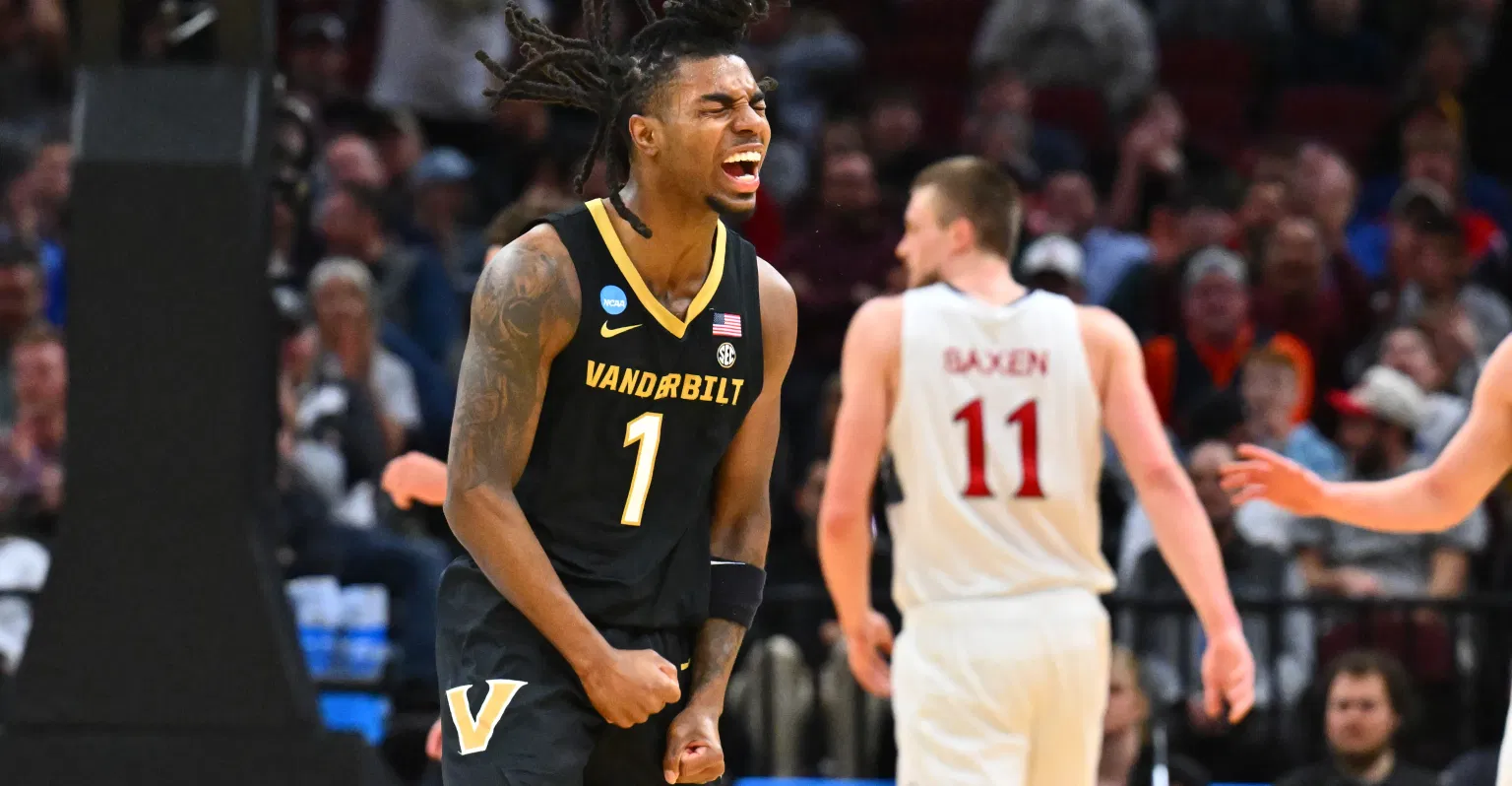
Vanderbilt emerged as perhaps the most under-seeded team, dropping to a 5-seed despite most projections having the Commodores as a 4-seed or potentially even a 3-seed with an SEC tournament championship. This sets up a dangerous first-round matchup against 12-seed McNeese State, a game that bracket experts already identify as a potential upset special.
The East Region stands out for its concentration of traditional powers. In addition to Duke, the region features UConn, Michigan State, Kansas, St. John's, Louisville, UCLA, and Ohio State—creating potential second-round matchups that include coaching legends like Rick Pitino, Bill Self, Jon Scheyer, Mick Cronin, Danny Hurley, and Tom Izzo. "That's outrageous," noted SB Nation's Mike Rutherford about the region's depth of basketball royalty.
Upset Alerts and Championship Droughts: What to Watch in 2026
Historical trends provide compelling narratives for the 2026 tournament. The 12-over-5 upset has occurred in 34 of the last 40 years, and this year's 12-seeds—Akron, McNeese State, Northern Iowa, and High Point—all rank in the top 100 of Ken Pomeroy's analytical rankings, with three in the top 72. This suggests at least one major upset is likely when the first round begins on Thursday.
Two longstanding championship droughts could end this year. No Big Ten team has won the national championship since Michigan State in 2000, while the West Coast hasn't celebrated a champion since Arizona in 1997. With Michigan as a 1-seed, Purdue as a 2-seed, and Michigan State and Illinois as 3-seeds from the Big Ten, plus Arizona as a 1-seed and Gonzaga as a 3-seed from the West, both regions have strong contenders to break their extended championship droughts.
The Committee also sent a clear message about the importance of conference tournaments. Both Purdue (Big Ten champion) and Arkansas (SEC champion) received seeding bumps after their conference tournament victories, with Purdue moving up to the 2-line and Arkansas securing a 4-seed after being projected lower heading into championship week.
Where Things Stand: Printable Brackets and First Four Matchups
With the bracket now public, fans can access printable versions through multiple outlets. USA Today offers a downloadable PDF bracket, while NCAA.com provides the official tournament bracket with complete schedule information. The digital age has made bracket participation more accessible than ever, with social media platforms buzzing with predictions and analysis just hours after the reveal.
The First Four matchups in Dayton will feature Miami University against SMU in what promises to be one of the most watched play-in games in recent memory. The 31-1 Redhawks face a power conference opponent in what essentially serves as a referendum on their controversial inclusion. Other First Four games include traditional bubble teams fighting for their tournament lives, setting the stage for dramatic opening acts before the main tournament begins.
Television coverage will be split between CBS, TBS, TNT, and truTV, with streaming available through March Madness Live and various provider apps. The tournament's media rights deal ensures comprehensive coverage of all 67 games, beginning with Tuesday's opening contests in Dayton.
The Road to Indianapolis: Predictions and Final Four Contenders
Last year made history when all four No. 1 seeds advanced to the Final Four for only the second time ever (first since 2008). The year following that 2008 season saw all four 1-seeds reach the Elite Eight. If history repeats this pattern, 2026 could feature another chalk-heavy tournament with the top seeds dominating the later rounds.
However, as noted by SB Nation, "We've never had back-to-back tournaments where three or more No. 1 seeds have made the Final Four." This historical trend suggests at least one of the top seeds will fall short of Indianapolis, creating intrigue about which powerhouse might stumble. Florida, despite its 1-seed, faces questions about its ability to navigate a South Region that includes dangerous teams like Texas, Alabama, and Creighton.
CBS Sports' proven prediction model, which correctly identified 12 Sweet 16 teams last season, will release its full tournament projections before Thursday's games. Early indications suggest the model sees value in several lower-seeded teams, particularly those with strong offensive efficiency ratings in what has been the highest-scoring season in college basketball history.
March Madness 2026: The Bottom Line
The 2026 NCAA Tournament bracket sets up as a fascinating blend of traditional powers and potential Cinderella stories. Duke enters as the favorite, but history suggests the road to Indianapolis will include unexpected twists, dramatic finishes, and the annual madness that defines March. From the controversial inclusion of Miami University to the potential end of championship droughts, from the loaded East Region to dangerous mid-majors on the 12-line, this year's tournament promises three weeks of compelling basketball drama.
As fans finalize their brackets and teams prepare for Tuesday's opening games, several key questions remain: Can Duke justify its No. 1 overall seed? Will Miami University prove its doubters wrong? Which 12-seed will continue the annual upset tradition? And will we see another chalk-heavy tournament or return to the unpredictability that made March Madness famous? The answers begin unfolding in Dayton on Tuesday night.