
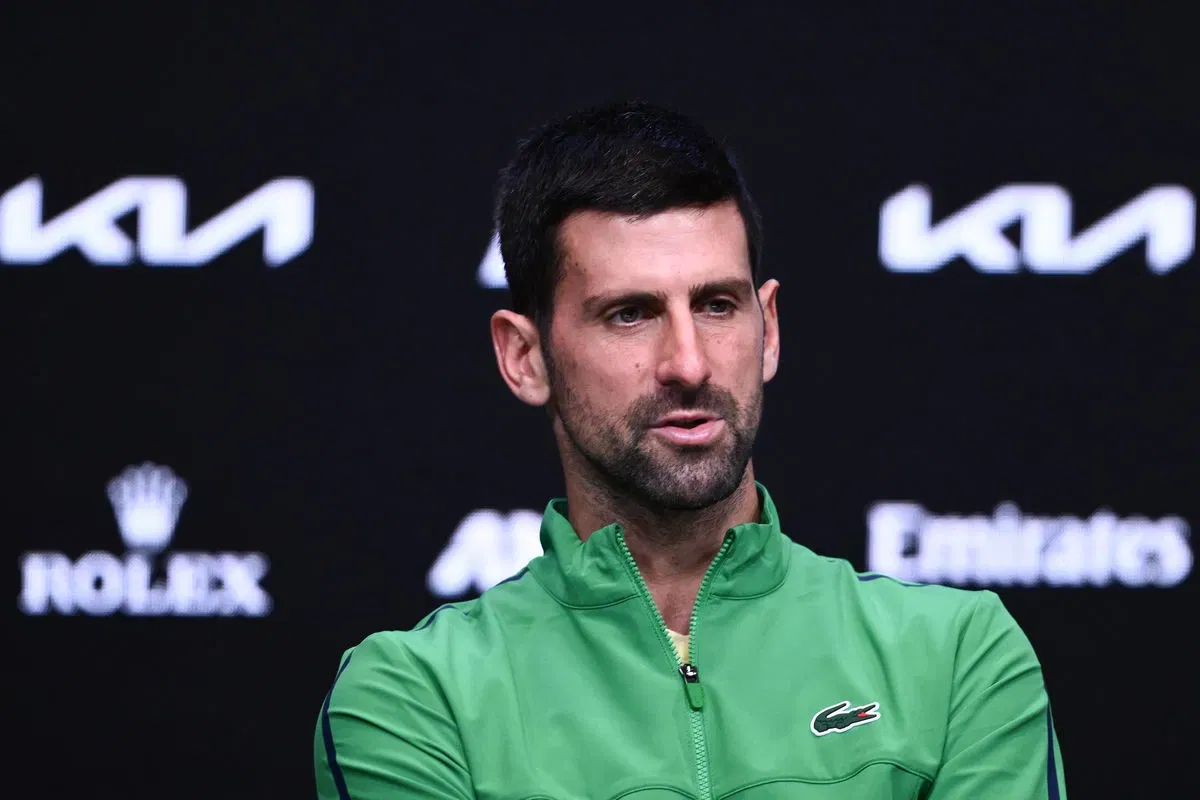
Novak Djokovic, the 24-time Grand Slam champion and Serbia's most celebrated athlete, has found himself at the center of a political firestorm after publicly supporting student-led anti-corruption protests in his homeland. The tennis superstar's subsequent relocation to Athens, Greece, has triggered a dramatic showdown with Serbian President Aleksandar Vučić, even as Djokovic prepares to launch his 2025 season at the Brisbane International this week. This unprecedented collision of sports and politics has left fans wondering how one of tennis' greatest champions became embroiled in a national controversy while simultaneously preparing for another historic campaign on the court.
How Djokovic's Political Stand Sparked a Showdown with Serbia's President
Djokovic's entry into Serbia's political arena began in December 2024 when he expressed solidarity with student protesters demonstrating against President Vučić's government. The protests erupted following the collapse of a railway station canopy in Novi Sad that killed 16 people, with demonstrators accusing authorities of negligence and corruption. As Serbia's most prominent global figure, Djokovic's endorsement carried extraordinary weight, prompting what multiple sources describe as a government-backed "smear campaign" against the athlete.
The tension reached a breaking point when Djokovic relocated his family to Athens in September 2025, a move widely interpreted as a response to the political pressure. Serbian President Vučić initially responded with mixed messages—publicly praising Djokovic's tennis achievements while privately delivering what the president described as a "harsh" conversation about the athlete's political stance.
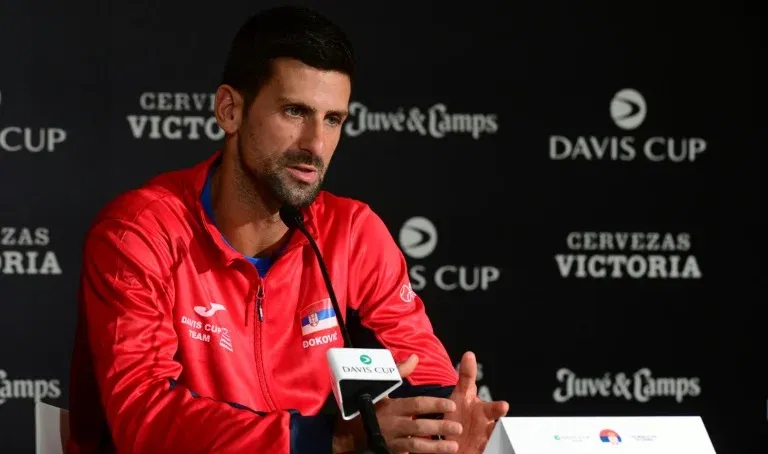
"I wholeheartedly support Djokovic and all those who carry the Serbian flag," Vučić stated on TV Pink, as reported by multiple outlets. Yet in the same breath, the president revealed he had told Djokovic: "I told him what I thought, now I would say it more harshly. Not towards him, but towards the situation we were in. I will not change my beliefs under the influence of any sports, acting or entertainment star." This contradictory approach highlights the delicate balance Serbian authorities are attempting to maintain with their national icon.
Timeline: From Student Protests to Athens Exile
The sequence of events that transformed Djokovic from national icon to political figure unfolded rapidly. In November 2024, the Novi Sad railway tragedy sparked nationwide anti-corruption demonstrations that initially focused on infrastructure safety but quickly expanded to broader government accountability demands.
By December, Djokovic had publicly endorsed the student-led movement via social media, writing: "As someone who deeply believes in the power of young people and their desire for a better future, I consider it important that their voice is heard." The backlash was immediate, with government-aligned media launching what tennis publications describe as a coordinated "smear campaign" against Djokovic.
By March 2025, protests had spread to 400 cities and towns across Serbia, creating sustained pressure on the Vučić administration. Faced with mounting political tension and media attacks, Djokovic made the decisive move to Athens in September 2025, relocating with his wife Jelena and their two children, Stefan and Tara.
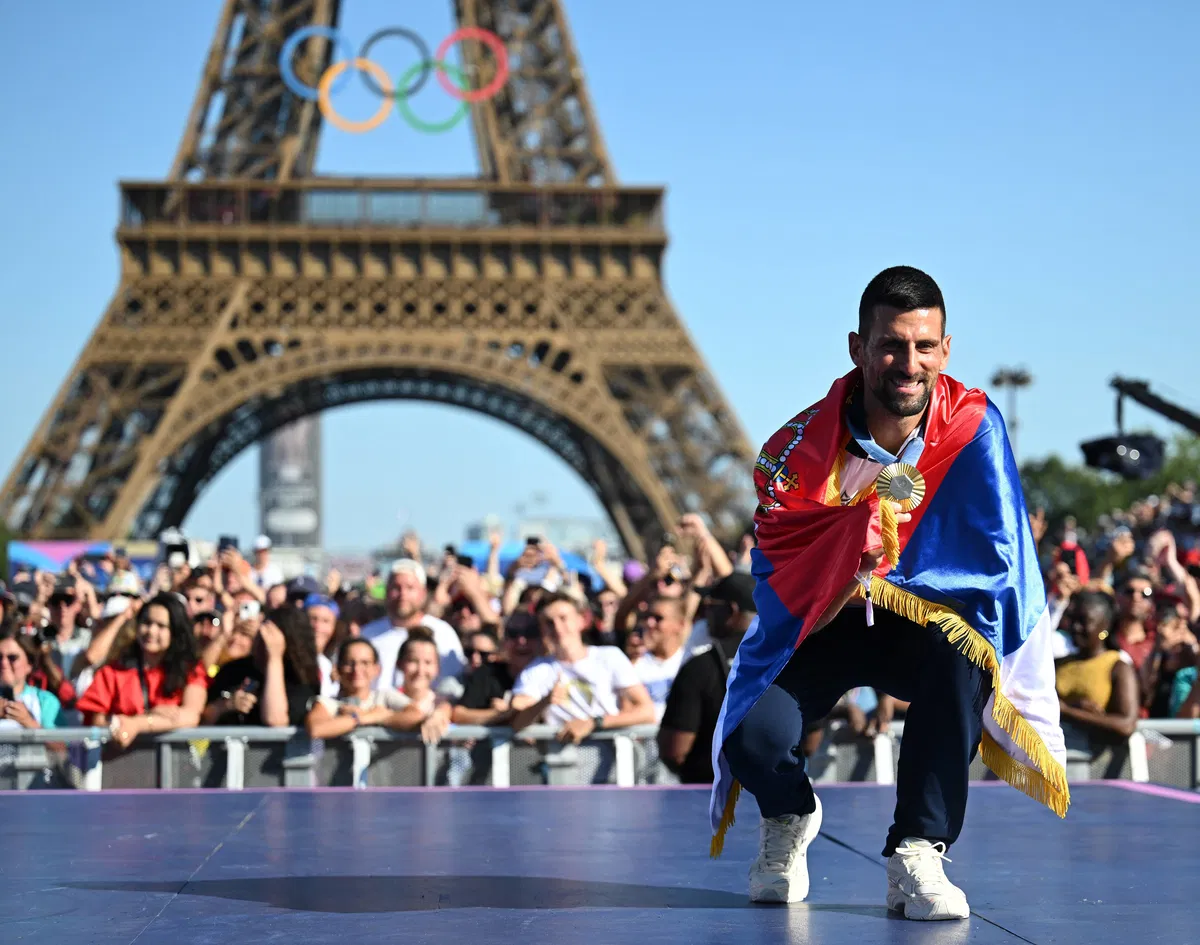
Why Djokovic's Move Matters: Tennis, Politics, and National Identity
Djokovic's situation represents a rare instance where athletic superstardom collides directly with national politics. As Serbia's most recognizable figure globally, his political stance carries implications beyond typical celebrity endorsements. Experts note that Djokovic's move highlights the growing tension between Serbia's sporting heroes and its political establishment, particularly as younger generations demand greater accountability.
The athlete's relocation also raises questions about the relationship between sports and national identity in the Balkans. Djokovic has long been celebrated as a symbol of Serbian excellence, but his recent actions suggest a willingness to challenge political authority despite potential consequences for his legacy. This development comes as Djokovic continues to chase tennis history, positioning him uniquely as both a sporting legend and political lightning rod.
The situation is further complicated by Serbia's complex political landscape, where sporting success often serves as a rare source of national pride and international recognition. Djokovic's decision to speak out—and subsequently relocate—signals a potential shift in how Serbian athletes engage with domestic politics, potentially inspiring others in the sporting community to voice their concerns.
Where Things Stand Now: Djokovic's Tennis Season and Ongoing Tensions
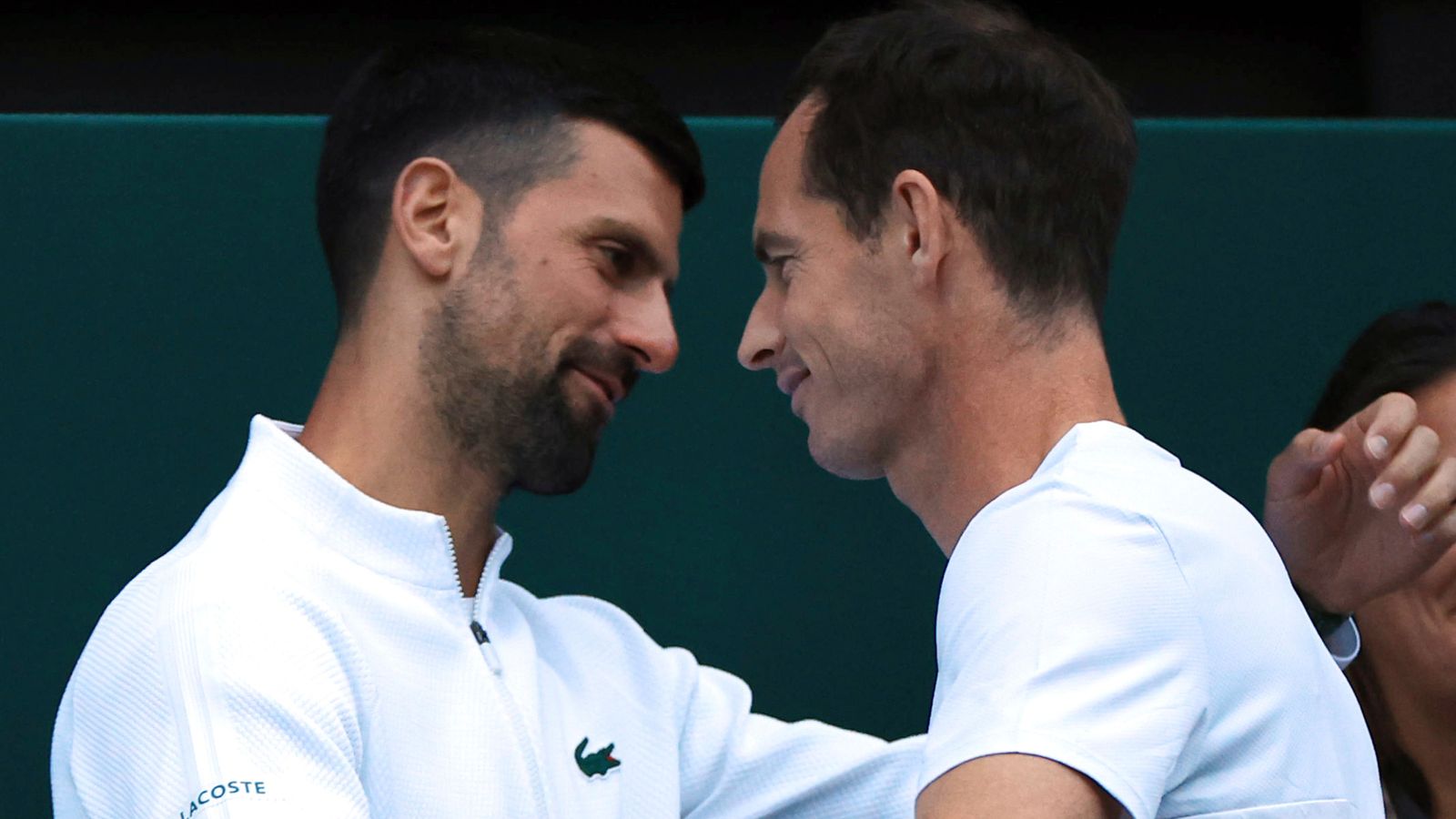
Despite the political turmoil, Djokovic remains focused on his tennis career as he prepares to begin his 2025 campaign at the Brisbane International starting December 29. The tournament marks his first competitive appearance since hiring two-time Wimbledon champion Andy Murray as his coach—a partnership that has generated significant excitement in tennis circles. Murray will work with Djokovic through pre-season training and the Australian Open, though he won't be present in Brisbane.
President Vučić's most recent comments suggest a complicated relationship persists. While congratulating Djokovic on reaching the Australian Open final and calling him "the greatest of this era," Vučić also stated: "I will not change my convictions under the influence of any sports, theater, or entertainment star." This delicate balance of praise and principle underscores the ongoing tension between athlete and government.
On the tennis front, Djokovic's Brisbane appearance represents his first tournament since confirming the coaching partnership with Murray. The Serbian champion is seeking an 11th Australian Open title in January, which would extend his record as the most successful player in the tournament's history. The political developments have added an unexpected layer of narrative to what was already anticipated to be a historic season.
What Happens Next: The Road Ahead for Djokovic and Serbia
The coming months will test both Djokovic's tennis dominance and his political resolve. On court, he seeks an 11th Australian Open title and continued pursuit of Grand Slam records. Off court, his relationship with Serbian authorities may evolve depending on the outcome of ongoing protests and potential political shifts.
Some analysts suggest Djokovic's move to Greece could become permanent if tensions persist, while others anticipate an eventual reconciliation as both sides recognize their mutual importance to Serbia's international image. The student protest movement shows no signs of abating, meaning Djokovic's continued association with the cause could either strengthen his position as a symbol of change or further alienate him from political establishment.
From a sporting perspective, the partnership with Andy Murray represents one of the most intriguing coaching arrangements in recent tennis history. Their collaboration could redefine Djokovic's late-career trajectory while providing Murray with a unique post-playing career opportunity. How this professional relationship develops amidst political controversy will be closely watched throughout the 2025 season.
The Bottom Line: Key Points to Remember
• Djokovic's December 2024 support for student protests triggered a political confrontation with Serbian authorities
• The athlete relocated his family to Athens in September 2025 amid a government-backed "smear campaign"
• President Vučić has delivered mixed messages—praising Djokovic's tennis while criticizing his political involvement
• Djokovic begins his 2025 season at the Brisbane International with new coach Andy Murray
• The situation represents an unprecedented intersection of elite sports and national politics in Serbia
• Djokovic remains focused on tennis history while navigating complex political waters
As the Brisbane International commences and the Australian Open approaches, all eyes will be on how Djokovic balances the demands of championship tennis with the complexities of his new political reality. One thing is certain: the story of Novak Djokovic has expanded beyond the tennis court to become a defining narrative about sports, politics, and national identity in contemporary Serbia.